Buying a condo in Wicker Park can feel straightforward until you realize the building itself may be a big part of the deal. In a neighborhood with older architecture and shared systems, upcoming roof work, masonry repairs, porch replacement, or elevator projects can affect your monthly costs, your move-in timeline, and your day-to-day life. If you want to buy with fewer surprises, it helps to know where building projects show up, what records to review, and which questions to ask before closing. Let’s dive in.
Why Building Projects Matter in Wicker Park
Wicker Park includes many late-19th-century buildings, workers’ cottages, and brick-and-stone structures. That architectural character is part of the neighborhood’s appeal, but it also means common elements often need more attention over time.
For condo buyers, that matters because you are not just buying the unit. You are also buying into shared responsibility for the roof, exterior walls, porches, balconies, stair systems, and sometimes elevators. When those items need repair or replacement, the cost and disruption can extend beyond your individual space.
Chicago code treats certain conditions as issues that must be repaired or replaced, including roofing defects, masonry-joint problems, and unsafe porches or balconies. That means some projects are not optional upgrades. They can become required work that affects association budgets and timelines.
Common Projects That Affect Condo Buyers
Roof Work
Roof projects are one of the biggest items to watch in any condo building. Chicago classifies roofs with leaks, poor drainage, or unsafe framing as unsafe conditions, so a roof issue can move from a maintenance concern to a required repair.
For buyers, the key issue is timing and cost. A larger roof project may require plan-based permit review, and as of May 10, 2026, Chicago’s permit dashboard showed a total permitting time of 71 days, including 27 days in Department of Buildings processing and 44 days with the applicant. That is a useful reminder that even a common project can take weeks or months once plans, corrections, and approvals are involved.
If a building already knows roof work is coming, you will want to understand whether the job is fully scoped, funded, and permitted, or still in the discussion stage. That difference can shape whether you are walking into a stable budget or a likely assessment increase.
Masonry and Tuckpointing
In Wicker Park, masonry repairs are especially important because many buildings rely on older brick exteriors. Tuckpointing and facade work are not just cosmetic items. They can be part of maintaining the building envelope and preventing bigger issues over time.
Chicago requires a permit before masonry work, and when masonry is part of permitted construction, the work must be tied to a licensed mason contractor or employing mason. For you as a buyer, that can affect contractor availability, project timing, and how the work is carried out.
It can also affect daily living. Depending on the scope, facade repairs may require scaffolding or protected walkways, which can change building access and exterior appearance for a period of time.
Porches, Stairs, and Balconies
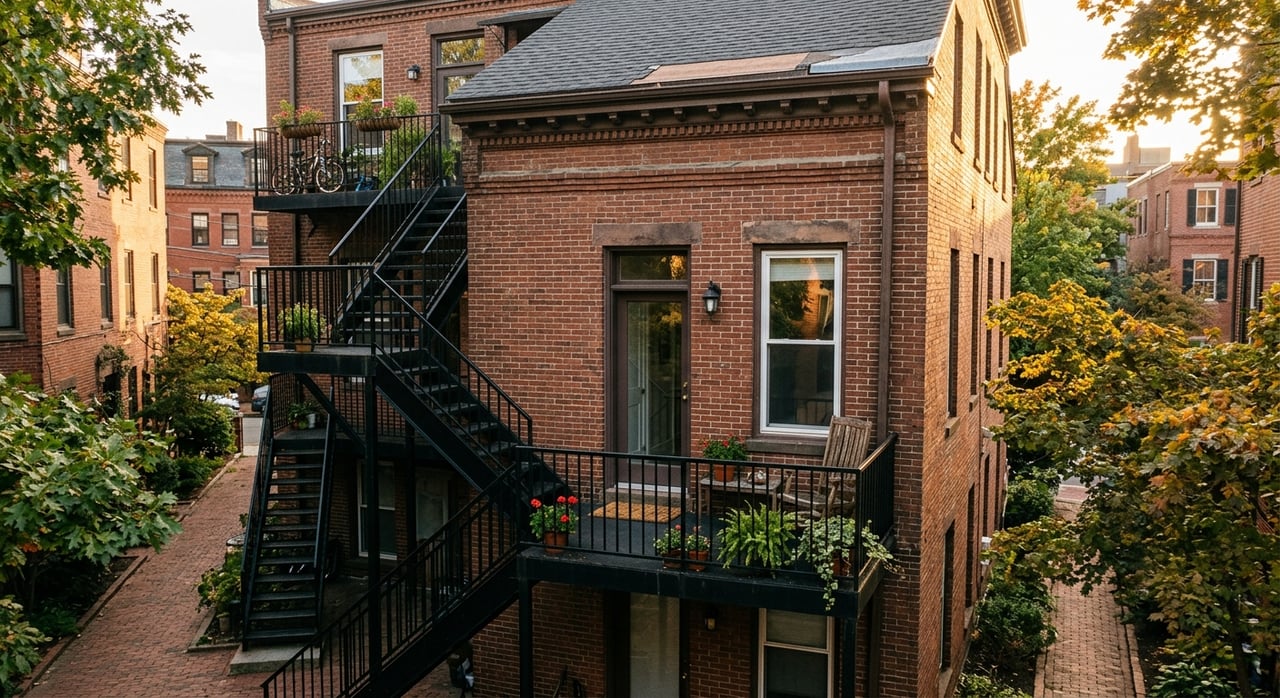
Porches and rear stair systems are a major consideration in many Chicago condo buildings. The city requires porches and stairways to be kept in safe condition and sound repair, which means deferred maintenance in this area can become serious quickly.
Chicago allows existing porches and decks to be repaired or replaced in the same location with the same type of construction. But replacement porches are treated more like new construction for load design. In practical terms, that can make the work more involved than buyers expect.
In a small condo building, porch or stair work can directly affect how residents enter and exit the property. If the building depends on rear access, a replacement project may temporarily change daily routines and building logistics.
Elevators
If you are buying in a building with an elevator, do not treat it as a background feature. Elevator work may involve inspections, certificates, scheduling, and coordination through Chicago’s AIC portal.
Buyers should assume elevator maintenance or repair can affect resident access between floors, at least temporarily. That is especially relevant if you are buying on an upper floor or if the building has an aging system with recurring service needs.
What to Review in Condo Disclosures
Illinois resale law gives condo buyers a useful paper trail, but only if you read it closely. The seller is required to provide key association and building documents that can help you spot current or upcoming projects.
Those materials include:
- The declaration and bylaws
- Unpaid assessments and liens
- Anticipated capital expenditures for the current or next two fiscal years
- Reserve fund status
- The association’s latest financial statement
- Pending suits
- Insurance coverage
- A statement about prior unit improvements
This package can tell you whether a project is already budgeted, whether reserves are thin, and whether the association is facing legal or insurance issues that may affect the building.
The law also allows the association to charge a reasonable disclosure fee, capped at $375 and adjusted for CPI under the statute. That fee is not the main concern for most buyers, but it helps explain why these documents are usually handled through a formal process.
What Association Records Can Reveal
The standard resale disclosure package is only part of the story. Association records can provide a much clearer picture of whether building projects are isolated, recurring, or likely to trigger future costs.
Illinois law says association records include meeting minutes, current insurance policies, contracts, books and records for the current and 10 prior fiscal years, and any reserve study. Members can request those records in writing, and the association generally must make them available within 10 business days.
For a buyer, these records can help answer questions that a basic budget cannot. If meeting minutes repeatedly mention leaks, facade concerns, porch repairs, or elevator service calls, you may be looking at a pattern rather than a one-time issue.
Reserve studies and financial statements matter too. If reserve requirements were waived, Illinois law says that must be disclosed in the financial statements and highlighted in the response to a prospective purchaser. That is a key detail because waived reserves can increase the chance of future special assessments.
Watch for Budget Risk and Special Assessments
Not every building project means a financial problem. Some associations plan well, maintain healthy reserves, and phase major repairs in a manageable way. Others may still be discussing scope, contractor selection, or funding.
Illinois law gives condo boards authority to prepare annual budgets, levy assessments, and use separate assessments for emergencies or work mandated by law. For you, the practical takeaway is simple: a project can move from discussion to cost very quickly if the work is urgent or legally required.
Before you buy, try to determine which of these situations applies:
- The project is complete and paid for
- The project is approved and already funded
- The project is approved but not fully funded
- The project is being discussed but not yet approved
- The project may become necessary because of safety, code, or maintenance issues
That context can help you judge whether the current monthly assessment reflects reality or whether future costs are likely.
Questions to Ask Before Closing
A smart condo purchase in Wicker Park often comes down to asking better questions, not just reviewing the listing sheet. Building projects are easier to evaluate when you know whether the issue is theoretical, approved, or already in motion.
Here are the questions worth asking before you close.
Is the project approved or just discussed?
There is a big difference between a board conversation and a board-approved capital project. Minutes and disclosure documents may show whether the work is still under review or whether the association has already committed to it.
Has the permit been issued?
Chicago’s permit portal can show the street address, permit type, review program, work description, open corrections, completed corrections, and applicant information. If you have the permit number, that usually gives you more detail than searching by address alone.
Chicago’s permit help guidance says every activity must be resolved before issuance, and open corrections prevent a permit from moving forward. If a project is delayed, permit status may help explain why.
Is the contractor properly licensed and insured?
This is not a minor detail. The city notes that an inactive or expired license, or missing insurance on file, may prevent permit issuance.
If a project is important to the building’s timeline, contractor compliance can affect whether work starts when the association expects.
Do the minutes show recurring repair issues?
Past minutes, reserve studies, and financials can reveal repeated spending on roofs, porches, masonry, or elevators. Repetition matters because it may suggest an ongoing building condition rather than routine maintenance.
What do the records say about reserves?
Reserve funding should be reviewed carefully. Illinois law requires reserve-fund information to be disclosed to prospective purchasers, and any waived reserve requirement must also be disclosed.
That makes reserve review one of the clearest ways to gauge whether a building is preparing for major work or reacting to it.
How a Construction-Forward Review Helps
In Wicker Park, condo buying is often about more than finishes and floor plans. A beautiful unit in a building with unresolved exterior work or underfunded reserves can become a very different investment once you move in.
That is why it helps to look at the building with both a buyer’s eye and a construction lens. When you understand how roof work, masonry permits, porch replacement, elevator coordination, and association funding fit together, you can make a more confident decision and negotiate from a stronger position.
If you are comparing condos in Wicker Park and want a practical read on building projects, reserve risk, and the real-world impact of upcoming work, Marcello Navarro offers a construction-forward consultation to help you assess the full picture before you buy.
FAQs
What building projects matter most for Wicker Park condo buyers?
- The projects that most often affect buyers are roof work, masonry and tuckpointing, porches or balconies, stairs, and elevators because they can affect assessments, access, and project timing.
What condo documents should Wicker Park buyers review for building projects?
- You should review the resale disclosure package, including financial statements, anticipated capital expenditures, reserve-fund status, insurance information, unpaid assessments, pending suits, and any statement about prior unit improvements.
What do Illinois condo association records show buyers about future costs?
- Association records can show meeting minutes, contracts, reserve studies, and years of financial history that may reveal recurring repairs, underfunded reserves, or projects that are moving toward a special assessment.
How can Chicago permits affect a Wicker Park condo purchase?
- Permit status can show whether a project is only proposed or actually moving forward, and open corrections, licensing issues, or missing insurance can delay permit issuance and extend the project timeline.
Can Wicker Park condo buyers find out if reserve funding was waived?
- Yes. Illinois law requires waived reserve requirements to be disclosed in the financial statements and highlighted in the response to a prospective purchaser.