Wondering if Bucktown is the kind of Chicago neighborhood where you can have both city energy and a more settled daily routine? That is exactly why so many buyers keep it on their shortlist. If you are trying to picture what life here actually feels like, this guide will walk you through Bucktown’s character, housing, transit, parks, and day-to-day lifestyle so you can decide whether it fits the way you want to live. Let’s dive in.
Bucktown at a glance
Bucktown sits on Chicago’s Northwest Side and is commonly described as roughly bounded by North, Ashland, Western, and Fullerton. It has deep historical roots as a primarily Polish working-class area, and that past still shows up in the neighborhood’s churches, street pattern, and older housing stock.
Today, Bucktown is often known for tree-lined streets, walkability, and a strong creative identity. You get a neighborhood that feels established and local, with plenty of activity nearby but a more residential rhythm than some of the surrounding hotspots.
Bucktown’s history still shapes it
Part of Bucktown’s appeal is that it does not feel manufactured. The neighborhood name itself is tied to goats that once roamed the area, which gives you a small but memorable reminder that Bucktown grew from very local, everyday Chicago history.
That neighborhood-scale identity still comes through in community events like Bucktown Arts Fest, the Bucktown Garden Walk, and the Apple Pie contest. If you like places that feel lived-in and connected to their past, Bucktown stands out for that reason.
Housing in Bucktown
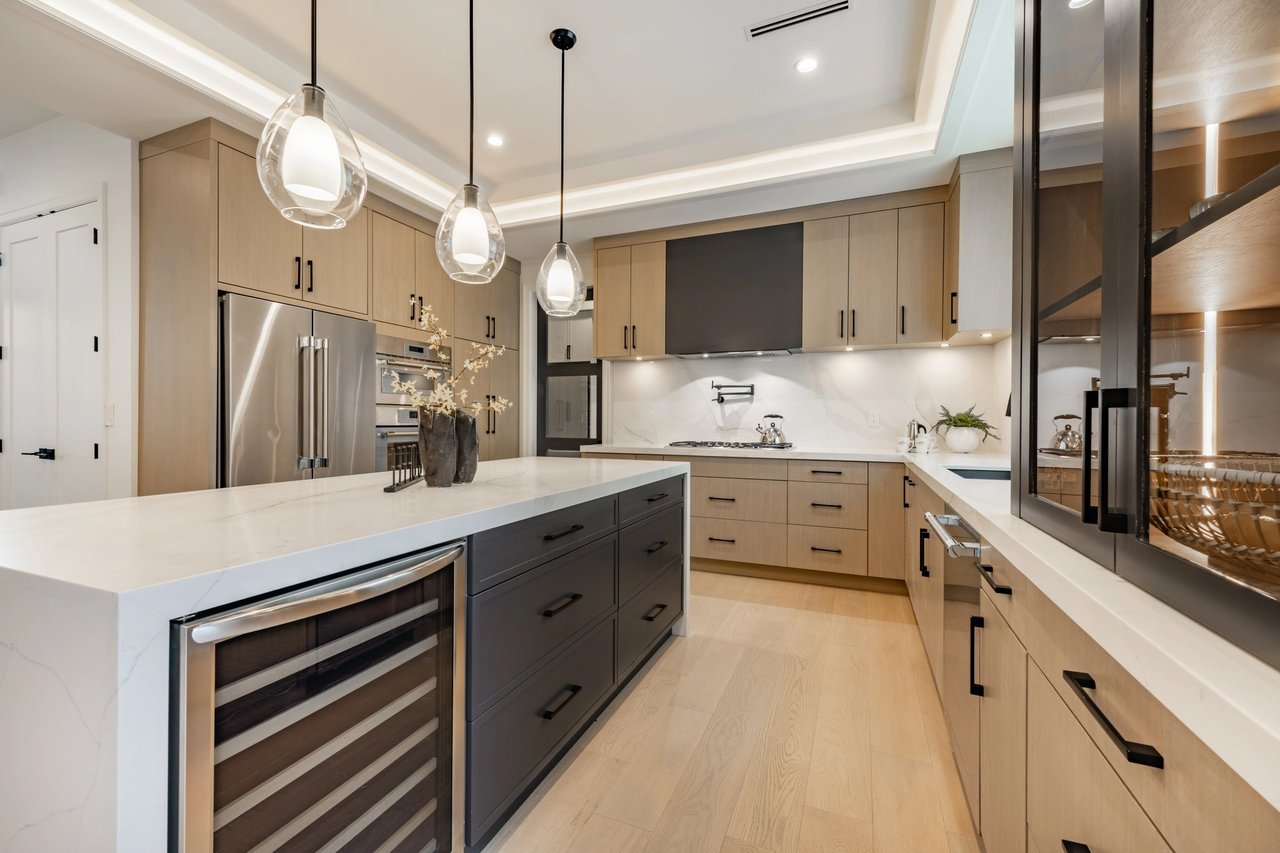
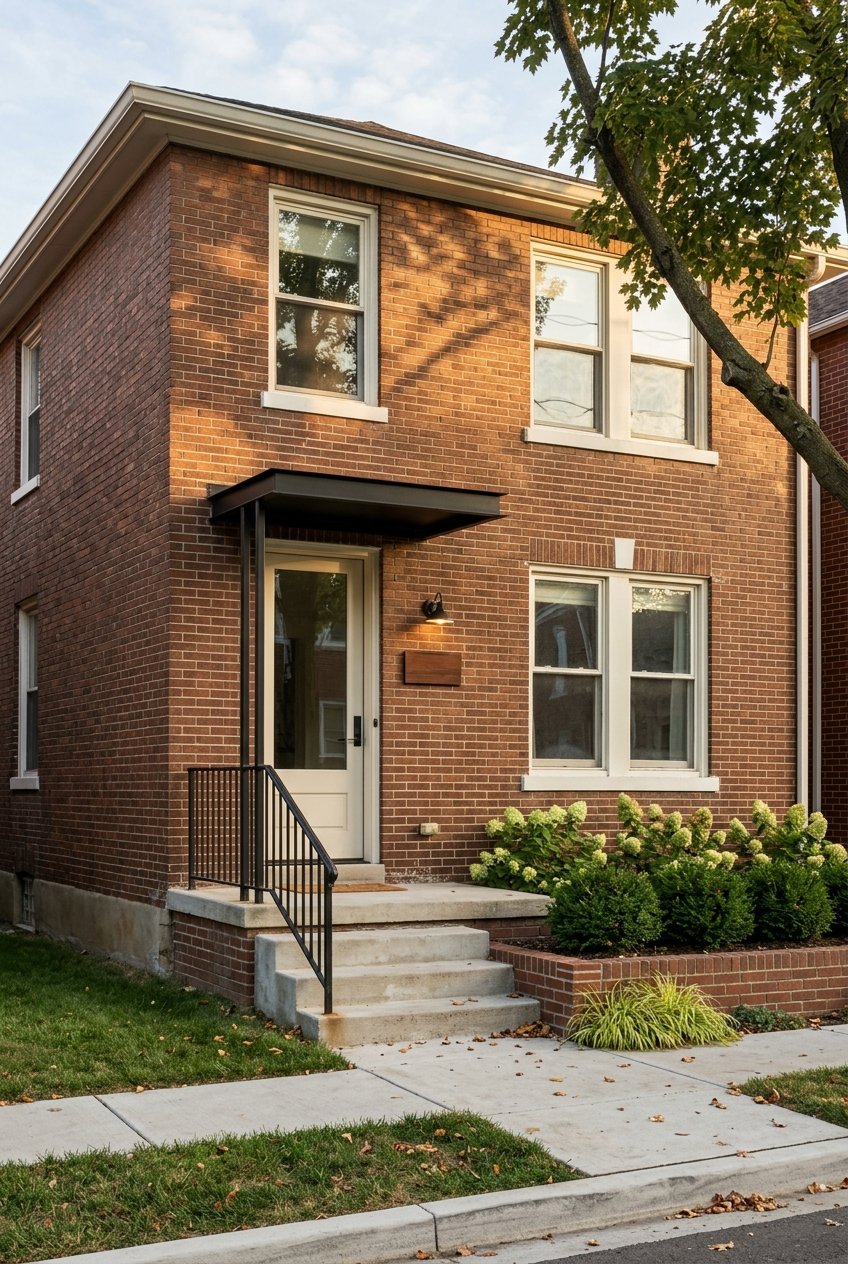
One of the biggest draws in Bucktown is the mix of old and new. Current neighborhood descriptions point to vintage homes, corner bars, cafés, and historic parks alongside more modern design and renovation work.
For buyers, that usually means you will notice architectural variety as you move block to block. Some properties reflect older Chicago character, while others show the results of substantial updates and more contemporary styling.
Older homes and updated spaces
Bucktown works especially well if you appreciate original character but still want modern function. The broader area around Bucktown and nearby Wicker Park is known for preserved older residences, including notable Victorian-era architecture in the surrounding context.
That balance can matter if you are comparing a move-in-ready home with a place that may need selective updates. From a construction-minded point of view, Bucktown often appeals to people who want to weigh charm, layout, condition, and renovation potential together instead of choosing just one priority.
What buyers often look for
In practical terms, Bucktown is commonly described in market language as offering a mix of single-family homes, condos, and loft-style options. The bigger takeaway is that you can usually find a range of property types without losing the neighborhood’s cohesive feel.
If you are buying here, it helps to look beyond finishes alone. In a neighborhood like Bucktown, the real value can come from understanding what has been updated well, what may need work later, and how the property fits your long-term plans.
Getting around Bucktown
Bucktown is one of those neighborhoods where daily mobility is a real advantage. You do not need to rely on only one way of getting around, which gives you flexibility whether you commute, bike, walk, or use public transit.
The CTA’s Damen Blue Line station is a key part of that. The station is located at 1558 N. Damen, is elevated, offers indoor bike parking, and connects to bus routes #50, #56, and #72.
Blue Line access matters
For many residents, easy Blue Line access helps make Bucktown feel connected to the rest of the city. That convenience can shape your routines in a very practical way, from commuting to meeting friends to reaching other Chicago neighborhoods without much hassle.
If you are comparing Bucktown with areas that feel more car-dependent, this is one of the neighborhood’s strongest everyday benefits. Access to trains and bus connections adds real function to the lifestyle here.
The 606 adds another layer
The 606 is another major reason Bucktown appeals to people who value an active, flexible routine. The repurposed Bloomingdale Trail runs 2.7 miles, includes 12 access points and 17 ramps, and is designed for walking and cycling.
It is also easiest to reach from the Damen or Western Blue Line stops. That connection between transit and outdoor movement helps explain why Bucktown works well for many people who want to keep car use limited.
Parks and outdoor space
Bucktown offers more green space than some people expect from such a compact, active neighborhood. That matters if you want city living without giving up easy access to parks and room to get outside.
Holstein Park is one of the neighborhood’s main anchors. The Chicago Park District lists amenities including a baseball field, fieldhouse, gymnasium, picnic area, playground, pool, and water-spray feature.
Holstein Park’s daily value
A park like Holstein adds more than scenery. It gives residents a place to exercise, gather, and break up the pace of city life without having to travel far.
That kind of amenity can shape how a neighborhood feels from week to week. In Bucktown, outdoor space is not just decorative. It is built into daily living.
Smaller parks still matter
West Bucktown also includes smaller green spaces like Lucy Flower Park. The Park District describes it as a hidden gem with a renovated playground, mature trees, a water feature, and a community garden.
When you combine those smaller parks with The 606, Bucktown offers several ways to spend time outside within a relatively compact area. For many buyers, that balance between density and breathing room is a big part of the appeal.
Shopping, dining, and daily convenience
Bucktown has a strong independent retail and dining identity. Daily-life activity is concentrated around Milwaukee Avenue, Damen Avenue, and the North/Milwaukee/Damen intersection, where you will find much of the neighborhood’s shopping and restaurant energy.
Official neighborhood guides describe the area as a hub for vintage stores, record shops, coffee houses, bookstores, art galleries, cocktail bars, and independent boutiques. Damen Avenue is even described as the neighborhood’s fashion artery.
What the commercial corridors feel like
If you like running errands in a neighborhood with personality, Bucktown tends to deliver that. The commercial areas feel active and useful, not just busy for the sake of being busy.
Dining also spans a wide range, from neighborhood cafés and wine bars to late-night spots and destination-style restaurants. That variety helps make the area feel convenient on an everyday level, whether you want a quick coffee or a full night out.
Bucktown compared with nearby neighborhoods
One of the best ways to understand Bucktown is to compare it with nearby areas people often cross-shop. In this part of Chicago, Wicker Park and Logan Square are the two most common reference points.
Bucktown shares some overlap with both, but it tends to land in its own lane. It offers access to popular corridors and amenities while often feeling a bit more residential and slightly more low-key.
Bucktown vs. Wicker Park
Wicker Park is typically described as more nightlife-forward, with indie music venues, late-night clubs, pubs, speakeasies, and a bustling shopping and dining district. Bucktown shares the same broader corridor, but the overall feel is often calmer by comparison.
That distinction matters if you want to be near energy without living in the center of it. Bucktown can appeal to buyers who want walkability and character but prefer a softer day-to-day pace.
Bucktown vs. Logan Square
Logan Square is described as a larger multicultural neighborhood with arts organizations, intimate music venues, locally owned shops, cocktail bars, and a strong food and nightlife scene. Historical context also points to its tree-lined boulevards and dense stock of rental flats and apartments.
Compared with Logan Square, Bucktown often feels more compact and boutique-oriented. If your priority is a smaller-feeling neighborhood with a strong design and retail identity, Bucktown may feel like a better fit.
Who Bucktown tends to suit
Bucktown often attracts buyers who want a neighborhood with architectural character, strong transit access, and local businesses woven into daily life. It can be a good fit if you want city convenience but still care about block-by-block feel.
It also makes sense for renovation-minded buyers and sellers. Because the neighborhood includes both preserved older housing and modern updates, it is the kind of place where understanding condition, scope of work, and improvement potential can make a real difference in your decision.
What living in Bucktown really feels like
At its core, Bucktown feels like a neighborhood where classic Chicago character and modern urban living coexist. You can spend time on tree-lined residential streets, reach parks and The 606 easily, and still be close to shopping, dining, and transit.
That combination is what gives Bucktown staying power. It is not just trendy or convenient. It feels established, functional, and distinctly local, which is often exactly what buyers are looking for when they want a neighborhood they can enjoy for the long term.
If you are considering a move to Bucktown, it helps to evaluate more than just listing photos or headline features. Looking at building condition, renovation quality, location within the neighborhood, and long-term usability can help you make a smarter decision. If you want a construction-forward, neighborhood-savvy perspective on Bucktown homes, connect with Marcello Navarro for a consultation.
FAQs
Is Bucktown Chicago a walkable neighborhood?
- Yes. Bucktown is widely associated with walkability, and daily convenience is centered around corridors like Milwaukee Avenue and Damen Avenue with shops, dining, and transit access nearby.
Does Bucktown Chicago have good public transit?
- Yes. The Damen Blue Line station connects the neighborhood to the CTA rail system and bus routes #50, #56, and #72, which helps make Bucktown feel well connected.
What kinds of homes are common in Bucktown Chicago?
- Bucktown is known for a mix of vintage homes, renovated properties, and commonly described market options such as single-family homes, condos, and loft-style spaces.
How does Bucktown Chicago compare with Wicker Park?
- Bucktown shares access to the same broader corridor, but it is often perceived as more residential and slightly lower-key, while Wicker Park is more nightlife-focused.
Does Bucktown Chicago have parks and outdoor space?
- Yes. Holstein Park and Lucy Flower Park offer neighborhood green space, and The 606 adds a major walking and cycling option nearby.