Thinking about buying in Chicago’s West Loop? If you want a walk-to-everything lifestyle with buzzy restaurants, quick commutes, and a mix of authentic lofts and sleek towers, this neighborhood should be on your shortlist. In this guide, you’ll get clear insight into housing styles, price ranges, daily conveniences, transit, noise and parking realities, and how the West Loop stacks up to nearby areas. You’ll also get a practical checklist to help you tour with confidence. Let’s dive in.
West Loop at a glance
West Loop sits just west of the Chicago River and the Loop, within the Near West Side community area. It runs roughly from Grand Avenue south to the Eisenhower, and from the river west to Ashland. Key subareas include Fulton Market, the Fulton River District, Greektown, and Randolph Street’s Restaurant Row. The neighborhood blends converted warehouse lofts with modern high-rise living.
Over the past two decades, older industrial blocks have transformed into a food, office, and residential hub. New boutique condo buildings and mixed-use towers now stand alongside historic brick and timber structures. Ongoing corporate growth in Fulton Market has amplified daytime energy and demand for nearby housing, as covered in recent reporting on Fulton Market’s office and retail draw.
You’ll see a high share of renters and younger professionals, strong walk and transit scores, and a restaurant scene that draws visitors from across the city. Market trackers show average rents in the West Loop in the low $2,000s, with premiums closer to Fulton Market.
Housing options: lofts vs towers
You’ll find two main housing experiences here.
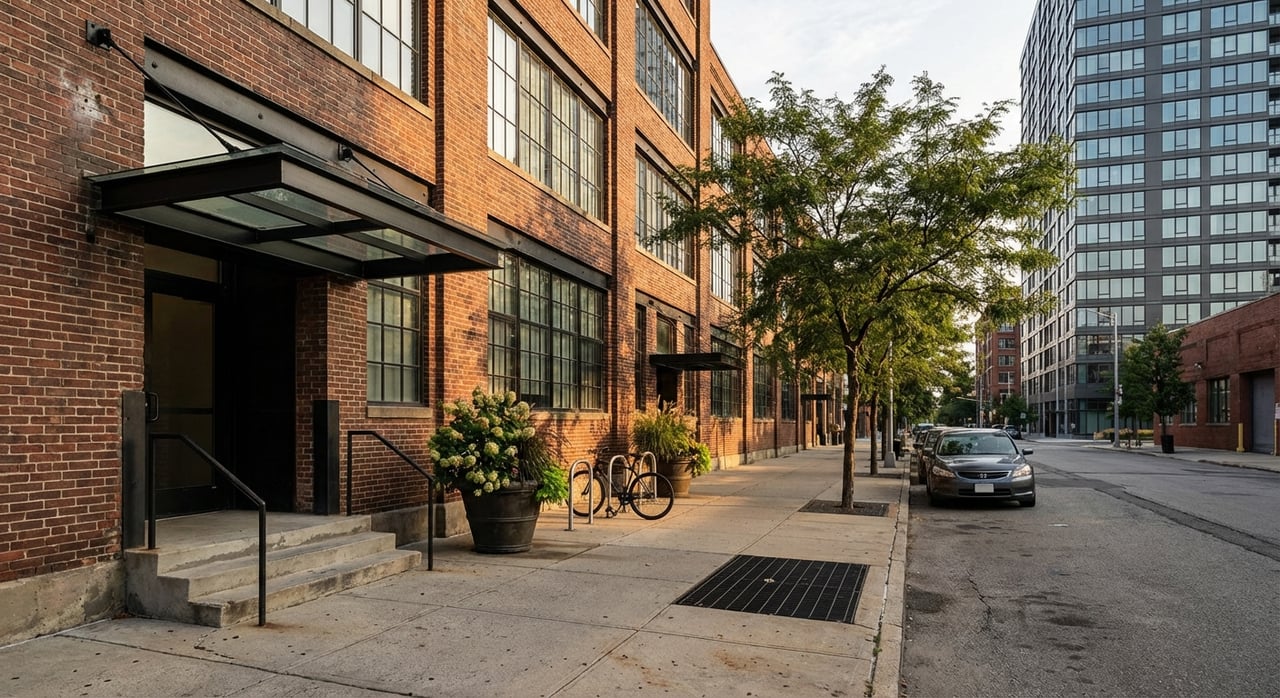
- Converted lofts: Expect open floor plans, exposed brick and timber or steel, and 10-foot or higher ceilings. The appeal is volume, texture, and character. Ask about window assemblies, insulation, and any sound attenuation that has been added over time.
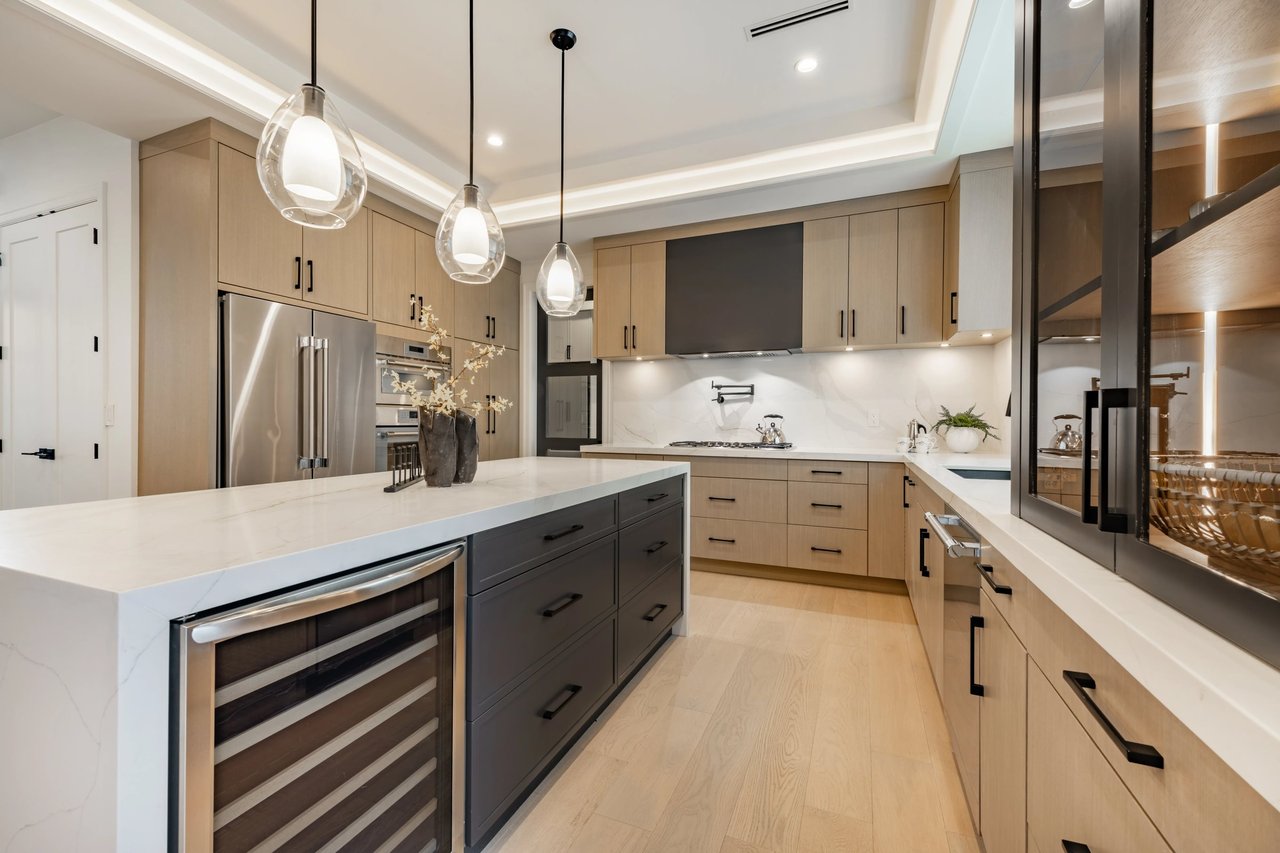
- Newer high-rise and boutique condos: These buildings trade raw character for convenience. You typically get modern finishes and services like rooftop space, fitness, door staff, and package rooms. Units can have smaller footprints, and HOA fees often reflect robust amenities.
If you lean loft, pay attention to floor and ceiling assemblies, shared wall construction, and street-facing exposure. If you prefer towers, compare amenity packages, HOA budgets, and in-unit mechanical noise. Recent luxury inventory has grown, including new high-end condo offerings like Embry.
What it costs today
- Sale prices: Recent neighborhood aggregates place the West Loop median in the mid $400,000s, with some sources showing roughly $470,000 to $495,000 depending on boundaries and timeframe. Expect premiums in Fulton Market and Greektown, and for top-tier amenity buildings. Use current local comps for exact pricing by building and micro-area.
- Rents: Average apartment rents tend to land in the low $2,000s, with some reports around $2,200 to $2,300 in early 2026. See the latest West Loop rent trends for directional context.
- Speed and competition: Move-in-ready lofts and well-priced condos in walkable pockets can draw multiple offers. Days on market vary by price band and building condition, so verify absorption with day-of-listing comps.
Daily life: dining, groceries, parks
The food scene is a headline feature. Restaurant Row on Randolph and the Fulton Market cluster host many of Chicago’s destination spots, like Girl & the Goat, Au Cheval, and The Publican. Reservations are common at peak times, and weekend energy on core blocks can be lively.
For groceries, you’ll find a mix of specialty markets and smaller stores in the neighborhood. Larger supermarket options are reachable by foot or a short ride in the Near West Side, but access varies block by block.
Green space is compact and urban. Mary Bartelme Park offers a children’s play area, a sunken dog area, and a misting fountain. Union Park and nearby green spaces host events and occasional festivals. Expect less everyday lawn-and-trail space than in primarily residential neighborhoods.
Transit and commute
Transit access is a major West Loop advantage. The CTA Green and Pink Lines serve the neighborhood, with Morgan station at the heart of Fulton Market for quick rides into the Loop and transfers beyond. For suburban commutes, Ogilvie Transportation Center is walkable from parts of the West Loop and the Fulton River District.
For airport access, many residents connect to the Blue Line from nearby Loop stations to reach O’Hare, while driving times to O’Hare or Midway vary by time of day. Neighborhood walk and transit scores are high, which is why many buyers go car-light. See a broad overview in this best Chicago neighborhoods guide.
Noise, energy, parking realities
Evenings can be active on Randolph and Fulton Market. Dining crowds, late deliveries, and rideshare traffic create a steady hum. In general, loft buildings with older assemblies may transmit more ambient noise than modern towers with sound-rated walls and mechanical ventilation. If noise is a concern, tour during peak hours and listen inside the unit and in common halls. The restaurant draw is a lifestyle perk, but it comes with energy; spots like Girl & the Goat stay busy.
Development continues, especially around Fulton Market, which brings weekday construction and traffic changes. Local coverage of Fulton Market’s office and retail strength points to ongoing investment.
Parking is limited on many blocks. Large projects have added some structured parking, but congestion can spike at dinner and weekend peaks. If you need secure parking, confirm deeded or assigned spaces and resident permit rules. For context on supply, see reporting on parking proposals in Fulton Market.
How West Loop compares
- River North: Heavier tourist and nightlife presence and a large high-rise condo stock. West Loop feels more chef-driven and offers more converted lofts in certain pockets.
- Lincoln Park: Quieter, more residential, and known for larger single-family homes and tree-lined streets. If you want yards and calmer evenings, Lincoln Park may suit you better than the West Loop.
- Wicker Park / West Town: Trendy streets and older walk-up housing options. West Loop is closer to downtown offices and has a denser cluster of destination restaurants.
Bottom line: Choose West Loop if you value walkability, dining, and short commutes. Choose a quieter north side area if private outdoor space and low-key nights top your list.
A smart buyer’s checklist
Use this list to focus your tours and questions.
- Building type
- Lofts: Ask about window glazing, wall assemblies, ceiling insulation, and any acoustic upgrades. Verify HVAC age and service access.
- Towers: Compare amenity packages, HOA operating budgets, reserve levels, and in-unit mechanical noise.
- Sound and location
- Visit during peak dining hours and on a weekend night. Stand near windows and party walls. Ask about any seller-provided sound studies.
- Parking and mobility
- Confirm deeded or leased parking, guest policies, and resident permit zones. Consider whether a car-light lifestyle fits your routine.
- Micro-area and walk time
- Note the exact minutes to Morgan station and to Ogilvie. Proximity can impact value and future resale.
- Unit size and layout
- Two-bedroom options are common, while true three-bedrooms can be scarcer. Measure storage, plan for work-from-home space, and map furniture fits.
- HOA and building health
- Review fees, reserves, upcoming projects, pet rules, and short-term rental policies. Compare costs against the amenities you will actually use.
- Renovation potential
- If you plan upgrades, price out flooring underlayment for sound, window treatments, lighting, and kitchen/bath scope. Evaluate column locations, ceiling heights, and chase walls that may affect layout changes.
Is the West Loop right for you?
If you want an urban lifestyle with top-tier dining, strong transit, and a mix of character and convenience, the West Loop delivers. It is less ideal if your top priorities are large private outdoor spaces, very quiet evenings, or a detached-home footprint. The best way to decide is to tour a few contrasting buildings, walk the blocks you will use most, and visit at night to gauge energy and sound.
Ready to assess specific buildings, comps, and renovation options with a construction-forward lens? Let’s talk.
Work with a construction-savvy advisor
Buying in the West Loop often comes down to details you cannot see in a quick tour: window assemblies, sound transfer, HOA budgets, and realistic upgrade costs. If you want a clear view of tradeoffs and value, connect with Marcello Navarro for a consultation that blends local market insight with hands-on construction expertise.
FAQs
What kinds of homes are common in Chicago’s West Loop?
- You will see many converted lofts with exposed brick and high ceilings, plus newer boutique and high-rise condos with modern amenities and services.
How much do condos and rents cost in the West Loop right now?
- Recent sources place the median resale price in the mid $400,000s, while average rents tend to sit in the low $2,000s and vary by building and proximity to Fulton Market.
How is transit access for West Loop residents?
- The CTA Green and Pink Lines serve the area at Morgan station, and Ogilvie Metra is walkable from parts of the neighborhood for suburban commutes.
What is the dining and nightlife scene like on a daily basis?
- Restaurant Row and Fulton Market host many destination spots, so evenings and weekends are lively, and reservations are common at popular places.
Are parks and green space easy to access in the West Loop?
- Mary Bartelme Park provides play areas, a dog area, and a misting fountain, while Union Park and nearby spaces offer additional green space and events.
What should buyers watch for regarding noise and construction?
- Expect evening energy around Randolph and Fulton Market, and ongoing development in Fulton Market. Tour during peak hours to assess interior sound.
How does parking work if I own a car in the West Loop?
- Street parking can be tight, so verify deeded or leased garage options, guest rules, and resident permits. Consider whether a car-light setup fits your routine.
How do local schools factor into a West Loop purchase?
- Buyers often reference nearby public options when researching, and they typically verify enrollment boundaries, program details, and commute patterns before deciding.