Wondering whether to sell your Wicker Park condo as a polished listing or lean into its renovation potential? That question matters more than ever in a neighborhood where buyers love character, expect value, and move quickly when the pricing makes sense. If you are trying to decide between light prep and a true value-add strategy, this guide will help you weigh the trade-offs and choose the path that best protects your bottom line. Let’s dive in.
Wicker Park Condos Still Draw Attention
Wicker Park remains one of Chicago’s most recognizable condo markets, and that gives sellers a real advantage. The neighborhood is known for its historic housing mix, from workers’ cottages to Victorian-era homes, and buyers often come here expecting personality rather than cookie-cutter finishes.
That local appeal is backed by current market activity. Redfin shows Wicker Park condos with a median listing price of $599,000, typical market time of 21 days, and about five offers per listing. In the broader neighborhood market, the median sale price is $634,900, median days on market is 42, and the sale-to-list ratio is 101.8%.
In plain terms, condos here can still sell well when they are positioned correctly. But strong demand does not mean every dated unit should be marketed the same way.
What “Value-Add” Really Means
A value-add condo is not just a home that feels a little older. It is a property where the next owner is expected to improve finishes, update systems, or complete meaningful cosmetic work to unlock a higher future value.
That distinction matters because buyers price projects differently than move-in-ready homes. If your condo needs more than paint, touch-ups, and minor updates, buyers will likely view it as a project and build renovation costs and risk into their offers.
In Wicker Park, that can work in your favor if the location, layout, and building appeal are strong. But the listing has to be framed honestly as an opportunity with upside, not presented like a finished-home alternative.
Buyers Are Less Flexible on Condition
One of the clearest signals from recent remodeling data is that buyers are paying close attention to condition. The 2025 Remodeling Impact Report found that 46% of buyers are less willing to compromise on a home’s condition.
That does not mean original finishes automatically hurt you in Wicker Park. Vintage character still carries weight here. It does mean buyers are more likely to discount the price when they believe they will need to spend meaningful money after closing.
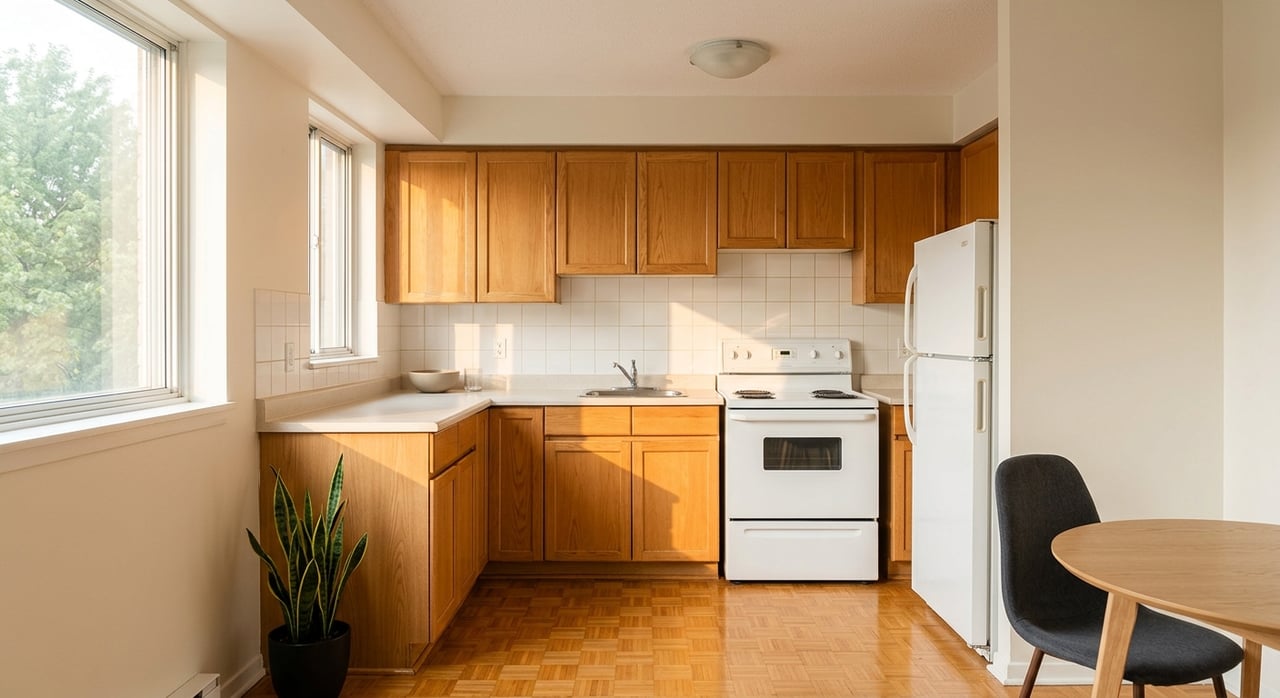
This is why sellers should separate dated but functional from priced like a project. If your finishes are older but the condo shows cleanly and lives well, a light-refresh strategy may be smarter than full value-add positioning.
When Value-Add Marketing Makes Sense
Major Work Is Still Needed
If your condo needs more than cosmetic help, marketing it as value-add may be the most realistic path. Think worn kitchens, tired baths, aging surfaces throughout, or a unit that clearly trails renovated competition in the same building.
In those cases, buyers will usually spot the work immediately. Trying to market the unit as lightly dated but otherwise comparable to updated listings can create resistance, longer market time, and tougher negotiations.
Renovated Comps Are Much Higher
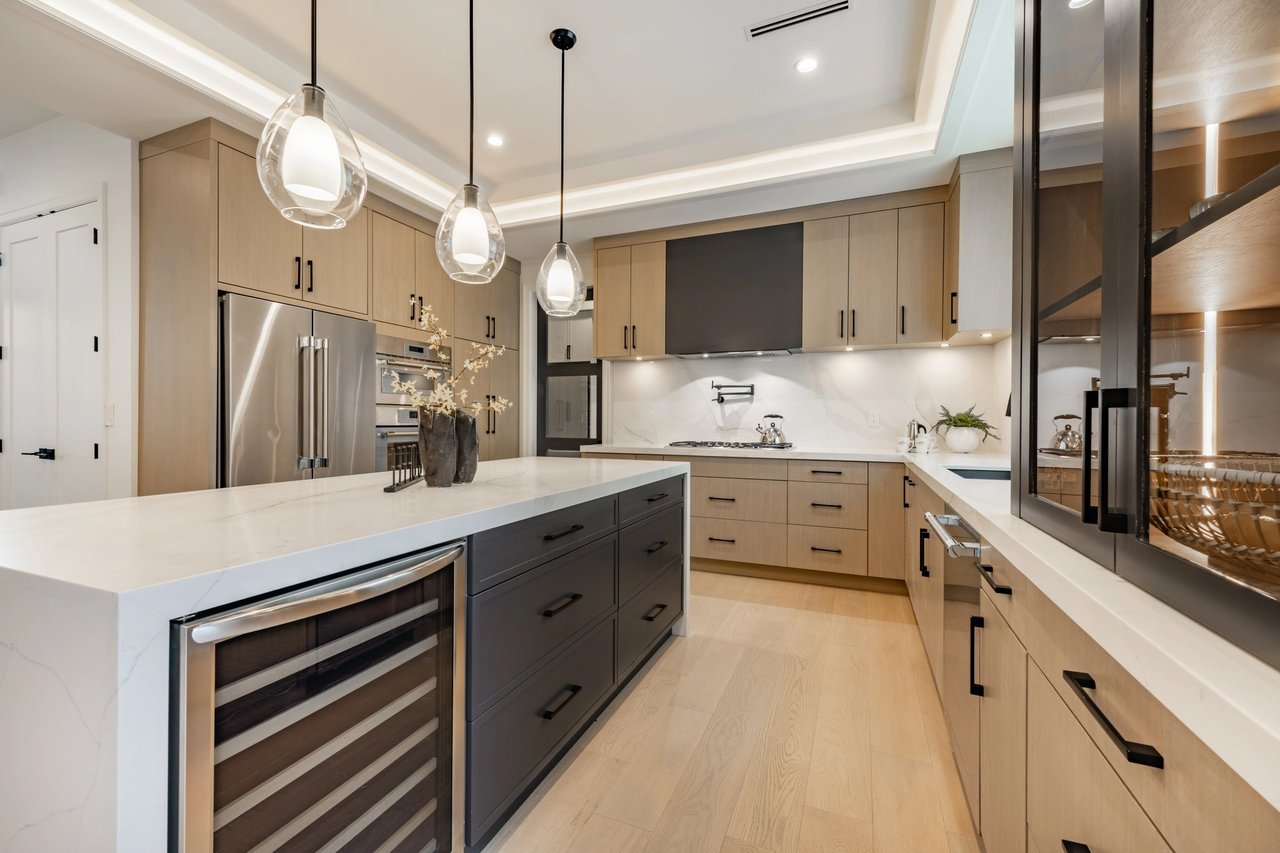
Value-add pricing becomes more compelling when updated condos in the building or immediate area are selling at meaningfully higher numbers. That gap can give buyers a clear story: buy lower, renovate, and create equity.
This is where construction-minded pricing matters. The question is not whether renovated units sell for more. The question is whether the spread between your condo and those renovated comps is large enough to justify the buyer’s cost, time, and uncertainty.
You Want a Smaller, More Targeted Buyer Pool
A true value-add listing usually attracts a narrower audience. Based on Redfin’s 2025 reporting, investor condo purchases fell year over year in Q1 and reached their lowest level in 10 years outside the start of the pandemic, while 68% of U.S. condos sold below list at the start of 2025.
That does not mean fixer-style condos cannot sell. It does suggest the most likely buyer may be an owner-occupier or live-in renovator rather than a pure investor chasing a quick flip.
When Light Updates Are the Better Play
If your condo mainly needs cosmetic improvement, a smaller prep budget is usually easier to defend. In many cases, modest work can help your home compete without over-improving for the market.
The strongest pre-listing updates tend to be the simplest ones buyers notice right away. According to NAR reporting, agents most often recommend painting the entire home before listing, followed by painting a single room, kitchen upgrades, and bathroom renovations.
That lines up with what buyers tend to respond to. Clean walls, better lighting, refreshed hardware, and targeted kitchen or bath improvements can make an older condo feel cared for without forcing you into a full renovation.
The Best Prep Spend Before Listing
If you are debating whether to sell as value-add, start by asking what can be fixed without opening the entire project up. The most defensible prep dollars are usually visible, contained improvements that improve first impressions.
Consider updates like these:
- Fresh interior paint
- Minor kitchen improvements
- Small bathroom refreshes
- Decluttering and better staging
- Repairing visibly worn surfaces
- Improving storage presentation where possible
NAR’s cost-recovery data also supports a selective approach rather than a gut renovation. For condo sellers, the practical lesson is simple: buyers tend to reward improvements they can immediately see and use.
How to Compare the Two Strategies
Before choosing a value-add angle, you need to compare likely net proceeds, not just possible top price. A bigger sale number after renovation does not always mean more money in your pocket.
Ask yourself:
- How much would it cost to complete the work?
- How long would the prep take?
- What would similar renovated condos likely sell for?
- How far behind the market is your unit today?
- Would light updates close most of the gap?
- How much discount will buyers demand if it is sold as a project?
This is where a construction-forward opinion can be especially useful. If the scope is modest, light prep and sharp pricing may protect your timeline and your proceeds. If the condo needs meaningful work and the comp gap is wide enough, value-add pricing may be the cleaner strategy.
Pricing Matters More Than the Label
In Wicker Park, buyers know the difference between a home with charm and a home that needs work. The right price tells them which one they are seeing.
If you market a dated condo as value-add, the pricing should reflect a real opportunity. Buyers need to feel there is enough upside left after renovation costs, inconvenience, and risk.
If you choose not to market it as value-add, then the condo still needs to present well. In an active market, clean presentation and realistic pricing can do a lot of the heavy lifting.
Why This Decision Is So Local
Wicker Park is not a generic condo market. Its architecture, walkability, and buyer expectations create a specific environment where original details can still matter, but condition and pricing remain critical.
That is why this decision should be based on your unit’s exact layout, finish level, building context, and nearby comparable sales. A condo on a strong block with a great floor plan may deserve a very different strategy than a similar-sized unit with a weaker update story.
A Practical Takeaway for Sellers
For most Wicker Park condo owners, the answer is not always renovate or always sell as-is. It is a conditional call based on the scope of work, the pricing gap to renovated comps, and the likely net proceeds after prep.
If your condo only needs cosmetic help, light updates and disciplined pricing are usually the safer move. If it needs real work and the upside is clear, marketing it as value-add can attract the right buyer and avoid a long back-and-forth with shoppers expecting turnkey condition.
If you want help pressure-testing the numbers, renovation scope, and pricing strategy for your specific condo, connect with Marcello Navarro for a construction-forward consultation and home valuation.
FAQs
Should you market a dated Wicker Park condo as value-add?
- Yes, if the condo needs more than light cosmetic work and there is a meaningful price gap between its current condition and renovated comparable units.
What updates help a Wicker Park condo before listing?
- The most defensible pre-list improvements are usually visible, contained updates like fresh paint, minor kitchen improvements, small bathroom refreshes, and overall cleaner presentation.
Do Wicker Park buyers accept original finishes in condos?
- Many buyers appreciate character in Wicker Park, but recent remodeling data shows buyers are less willing to compromise on condition, so original finishes still need honest pricing and strong presentation.
Is the Wicker Park condo market active right now?
- Redfin data in the research report shows an active market, with condos typically moving in about 21 days and receiving about five offers per listing.
Who usually buys a value-add condo in Wicker Park?
- The most likely audience is often owner-occupiers and live-in renovators, since the buyer pool for true fixer-style condos appears narrower than during earlier investor-heavy periods.
How do you decide between renovating and selling as-is in Wicker Park?
- Compare likely net proceeds after prep, the cost and time required for updates, and the discount buyers would likely demand if the condo is sold as a project.