If you are getting ready to sell in Logan Square, one question can shape everything that follows: should you renovate first, or list the home as-is? It is a fair question, especially in a neighborhood where buyers notice both location and condition. The good news is that you do not need a one-size-fits-all answer. With the right mix of market data, property condition, and scope review, you can make a smarter decision about where to spend, where to stop, and how to position your home for sale. Let’s dive in.
Logan Square market conditions matter
Logan Square is active, but it is not a market where every home performs the same way. Redfin’s February 2026 neighborhood snapshot reported a median sale price of $558,000, median 68 days on market, and 33.3% of homes selling above list price. The same source described Logan Square as somewhat competitive, with some homes getting multiple offers and hot homes going pending in about 28 days.
At the same time, Zillow’s February 28, 2026 page reported an average home value of $507,891, 39 homes for sale, and a median 25 days to pending. These figures are directional, not interchangeable, but they point to the same takeaway: buyers are still active, yet pricing and timing depend heavily on the specific property.
Property type also changes the equation. According to the Cook County Assessor’s 2024 annual report, Logan Square’s 2024 median sale price was $479,000 for single-family homes and $719,000 for multifamily homes. That same report showed 2020 to 2024 median sale-price growth of 25% for single-family homes and 15% for multifamily homes, which suggests healthy demand but different pricing dynamics depending on what you own.
Why condition matters more now
Buyers are paying attention to condition in a big way. The 2025 NAR Remodeling Impact Report found that 46% of buyers are less willing to compromise on condition. That means visible deferred maintenance, dated finishes, and obvious project backlog can narrow your buyer pool faster than many sellers expect.
That is especially relevant in Logan Square, where Redfin scores the neighborhood at 91 for walkability, 68 for transit, and 93 for biking. In a location that already sells itself on convenience and access, buyers may focus even more on how move-in-ready the home feels. In other words, your location may already be a strength, so condition can become the tie-breaker.
When listing as-is makes sense
Listing as-is can be the right move when the work needed is too large, too expensive, or too slow to justify before a sale. If your home has major structural issues, aging major systems, or a scope that would require heavy permitting, an as-is strategy may protect your time and capital.
The City of Chicago permit guidance notes that zoning review must be approved or waived before a plan-based building permit can be issued, and permit applications may remain in the system for up to three years. The city also states that inspections are handled first-come, first-served unless an appointment is scheduled. That is a reminder that major work is rarely a quick pre-listing project.
As-is can also make sense if your home is in a landmark-sensitive area and the planned work affects exterior features. The Logan Square Boulevards District is a designated Chicago Landmark district, and visible exterior character matters there. If your project involves windows, doors, masonry, roofing, dormers, additions, or other exterior changes, the Commission on Chicago Landmarks review process can add another layer of coordination.
In practical terms, selling as-is often becomes more attractive when:
- the home needs structural or major system work
- the project likely needs plan review or zoning review
- exterior changes may trigger landmark review
- you want to sell on a shorter timeline
- the budget needed to renovate would be difficult to recover at resale
When targeted updates are worth it
If your home is solid but looks tired, targeted improvements are often the sweet spot. This is where Marcello Navarro’s construction background can be especially valuable, because the goal is not to overbuild. It is to identify the repairs and upgrades that improve buyer perception quickly and support stronger marketing.
The 2025 NAR Remodeling Impact Report found that REALTORS most often recommended painting the entire home, painting one room, and replacing roofing. The same report said buyer demand had increased most over the prior two years for kitchen upgrades, new roofing, and bathroom renovation.
That does not mean you need a full remodel. In many Logan Square listings, the best return comes from making the home feel cared for, functional, and clean. Fresh paint, repaired trim, updated lighting, hardware swaps, flooring touch-ups, and selective kitchen or bath improvements can change the full impression of a home without turning the project into a months-long construction job.
Small projects with strong resale signals
Some of the strongest resale signals come from visible exterior updates. According to the Chicago line of the 2025 Cost vs. Value report, garage door replacement had a reported cost of $4,308 and value at sale of $13,048. Steel entry door replacement had a reported cost of $2,342 and value at sale of $5,298, while manufactured stone veneer came in at $10,939 cost and $22,735 value at sale.
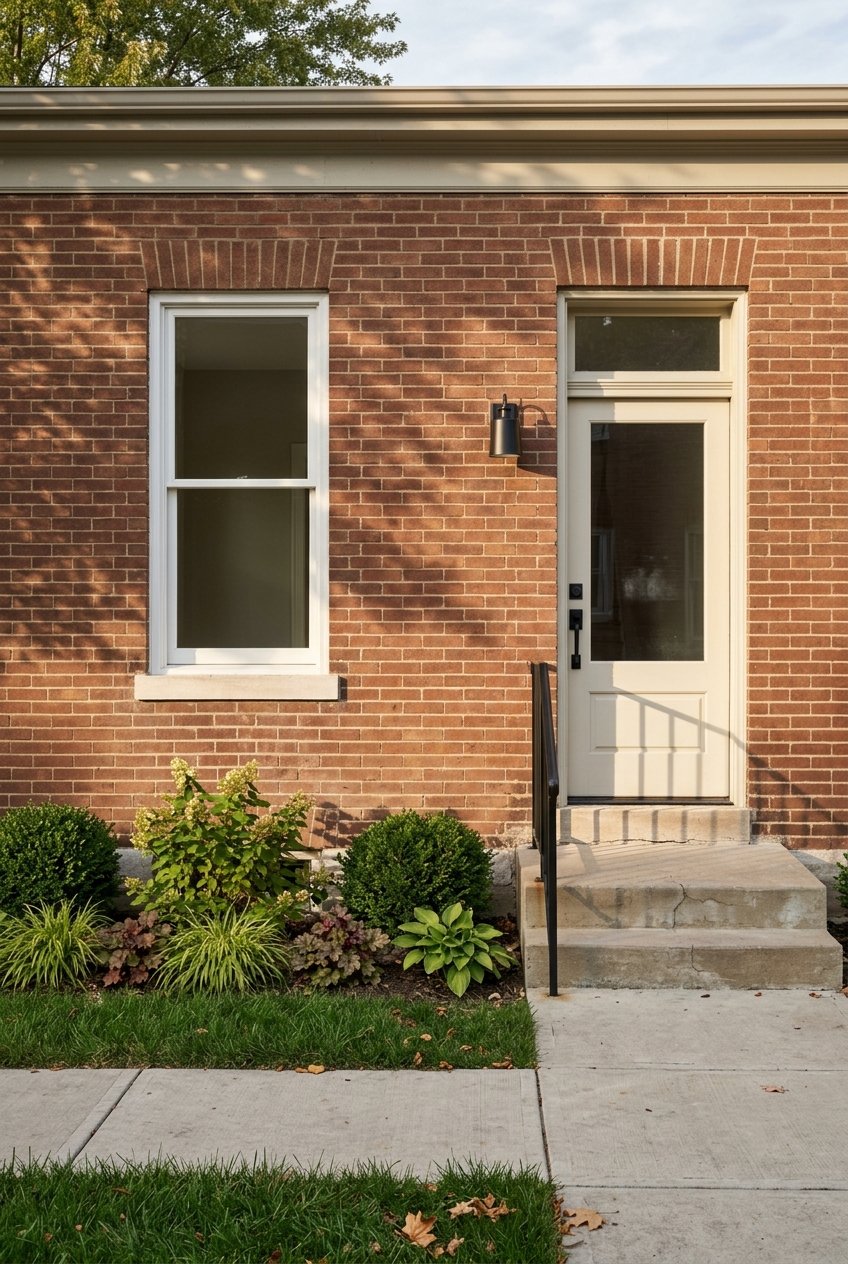
These are not universal guarantees, but they do reinforce an important seller lesson: buyers respond to what they see first. If your facade, entry, or curb appeal reads as neglected, that impression can spill into how buyers judge the rest of the property.
Kitchen refresh or full remodel?
For many sellers, the kitchen is the biggest question. A full gut renovation sounds attractive, but the data suggest you should be careful if your plan is to sell soon.
The Chicago page of the 2025 Cost vs. Value report shows a minor kitchen remodel at $27,005 cost and $27,318 value at sale, which is close to full recoup at the benchmark level. By contrast, the broader East North Central figures show far weaker recovery for larger discretionary work, including a midrange major kitchen remodel at $83,113 cost and $40,038 value at sale.
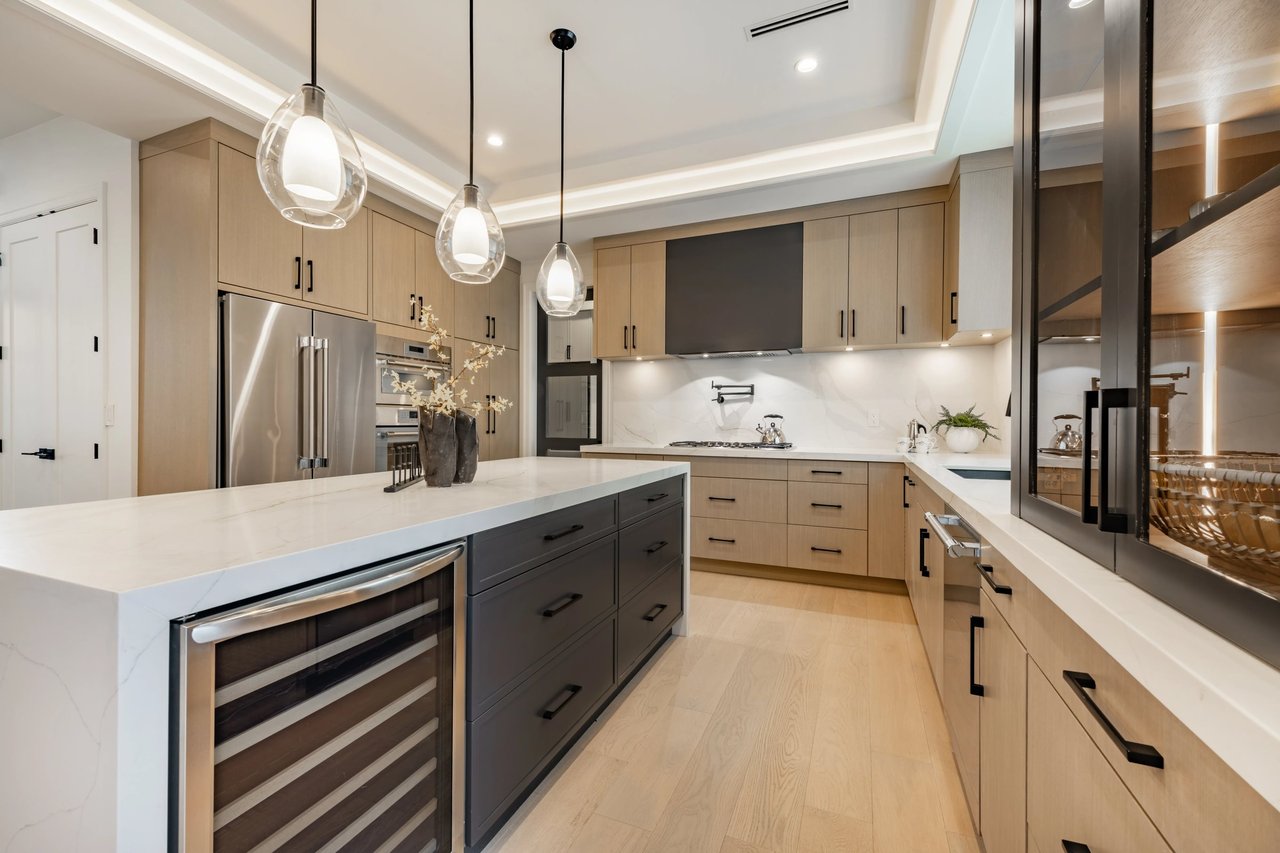
That gap matters. If your current kitchen is functional but dated, a smart refresh may make more financial sense than a total rebuild. Painted cabinetry, new counters, updated fixtures, fresh backsplash, repaired flooring, and better lighting can often improve presentation without pushing you into a scope that is harder to recover.
Bathroom updates need the same discipline
Bathrooms are similar. Buyers do care about them, but there is a big difference between making a bathroom feel clean and current versus spending heavily on a high-end remodel right before listing.
The regional Cost vs. Value data show an upscale bath remodel at $78,684 cost and $28,654 in resale value. That does not mean bathroom work is never useful. It means you should distinguish between a refresh and a luxury reinvestment.
If the bathroom needs help, think practical first. Regrouting tile, replacing dated fixtures, installing better lighting, repainting, updating mirrors, and fixing worn surfaces can improve buyer confidence without turning the bathroom into a design project that mainly benefits the next owner.
Beware of full gut renovations before sale
A full gut renovation may feel like the cleanest solution, but it often creates the weakest short-term math. The Cost vs. Value report shows that major kitchens, upscale baths, and primary suite additions recover much less of their cost than smaller exterior updates or minor remodels.
The NAR report supports the same idea from another angle. Homeowners often get strong personal satisfaction from remodeling, but the resale payoff can be much smaller than the lifestyle payoff. If you are not staying to enjoy the renovation, that distinction should guide your budget.
Landmark and permit issues can change the answer
In Logan Square, the home itself is only part of the story. The block, the building type, and the visible scope of work can all affect what makes sense before listing.
If your property is within the Logan Square Boulevards District, the city says permit applications affecting designated landmark districts are reviewed to protect significant historic or architectural features. The owner Q&A from the city also explains that pre-permit submissions can help clarify requirements and potentially speed up review.
That means a seller should be cautious about assuming exterior work will be simple. Windows, doors, masonry, roofing, additions, dormers, and rooftop additions may require more detailed review. If your timeline is tight, that can tilt the decision toward limited interior updates or an as-is sale rather than a larger exterior project.
How to decide what your home needs
The best decision framework is straightforward: start with condition, then match it to the market and your timeline. In Logan Square, where pricing varies by product type and some homes move quickly while others take longer, your strategy should be specific to your property.
Here is a practical way to think about it:
Choose as-is if
- the home needs major structural or systems work
- permit timing could delay your sale
- exterior work may trigger landmark review
- you do not want to invest heavily before listing
- the buyer pool for your property type already includes renovation-minded buyers
Choose targeted updates if
- the home is structurally sound but dated
- the biggest issues are cosmetic or presentation-based
- the kitchen or bath needs a light refresh, not a full rebuild
- curb appeal is weak and can be improved with modest spending
- you want to widen buyer appeal without taking on major construction risk
Avoid over-improving if
- the renovation budget starts approaching full remodel territory
- your scope expands from cosmetic to permit-heavy work
- you are making design choices for yourself rather than for resale
- the likely value gain does not clearly support the cost and delay
Why a construction-informed pricing plan helps
This is where local pricing and construction judgment need to work together. A seller in Logan Square is not just deciding whether to update a home. You are deciding how to position a specific asset in a neighborhood with different outcomes for single-family homes, multifamily properties, condos, and landmark-sensitive houses.
That is why a construction-forward consultation can be more useful than generic advice. With the right review, you can sort repairs into three buckets: what must be fixed, what is worth improving, and what should be left alone. That helps you protect your budget, avoid unnecessary scope creep, and bring the home to market with a clearer story.
If you are weighing whether to renovate or list as-is in Logan Square, a data-backed, construction-informed plan can help you avoid expensive guesswork. Marcello Navarro combines local market knowledge with hands-on building experience to help you evaluate condition, timing, and resale strategy before you make your next move.
FAQs
Should Logan Square sellers renovate before listing a home?
- It depends on the home’s condition, timeline, and scope of work. Targeted updates often make sense for dated but solid homes, while major permit-heavy work may make an as-is sale more practical.
Which pre-listing repairs matter most to Logan Square buyers?
- Visible, practical improvements often matter most, including paint, roofing-related issues, curb appeal, and modest kitchen or bathroom updates that make the home feel cared for and move-in-ready.
Does a Logan Square home in a landmark district need extra review before renovation?
- If the property is in the Logan Square Boulevards District and the work affects visible exterior features, permit applications may be reviewed through the city’s landmarks process as part of normal permitting.
Is a minor kitchen remodel better than a full kitchen renovation before selling in Logan Square?
- For a near-term sale, a minor kitchen remodel or refresh is often easier to justify because the Chicago benchmark in the 2025 Cost vs. Value report showed much stronger resale recovery than larger kitchen projects.
When does selling a Logan Square property as-is make the most sense?
- Selling as-is can make sense when the home has major structural, systems, permit, or landmark-related issues that would require significant time, cost, or review before listing.
How should Logan Square sellers choose between updates and pricing the home lower?
- The best approach is to compare current comps, property condition, and likely renovation scope together. That helps you decide whether modest improvements will increase buyer appeal enough to outweigh the cost and delay.