Pricing a West Loop loft can feel tricky. Two homes with the same square footage can sell for very different numbers, and it is not random. In the West Loop, character, building reputation, and monthly costs all change buyer demand. In this guide, you will learn how to weigh those variables so you can list confidently and avoid costly missteps. Let’s dive in.
Why West Loop loft pricing is different
The West Loop sits next to Chicago’s core job centers and draws professionals, empty nesters, and investors who want walkable, urban living. You compete within a tight micro-market where buyers compare across specific buildings as much as they compare across the neighborhood. That is why building-level premiums, recent absorption, and inventory swings can shift your pricing band faster than a citywide trend.
Because the area blends historic timber conversions with newer concrete and steel buildings, you are not just pricing by square footage. You are also pricing a lifestyle mix of architecture, volume, systems, amenities, and carrying costs. The result is a set of price bands that make sense only when you account for unit and building features together.
What drives price inside the unit
Buyers in the West Loop pay for both form and function. Focus on these attributes when choosing comps and setting expectations:
- Timber vs. concrete construction. Timber conversions bring exposed beams, original floors, and wide-open spans. Concrete and steel buildings usually deliver stronger sound isolation, modern systems, and broader amenities. The premium depends on buyer preference, so compare within the same construction type first.
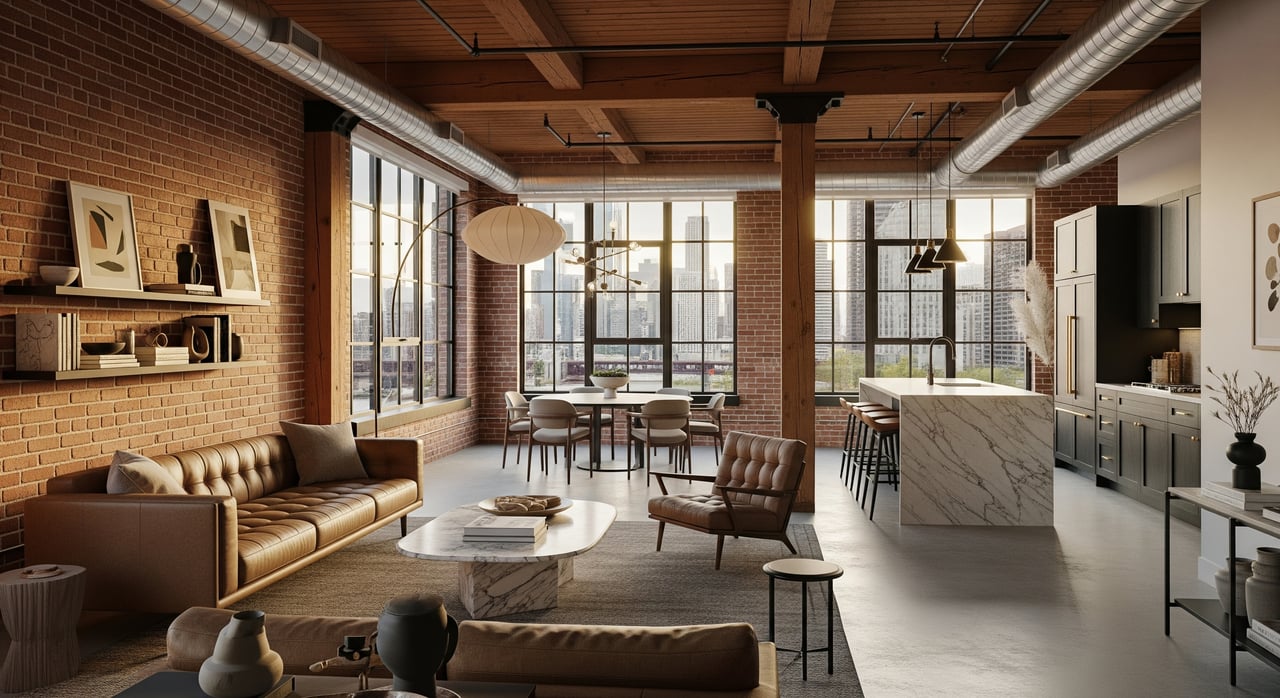
- Ceiling height. Clear heights of 10 feet or more feel larger, capture light, and may allow a mezzanine. High-volume spaces often justify a premium among “true loft” shoppers.
- Window span and exposure. Long runs of industrial windows and south or west light can lift value. Unobstructed skyline or river views are building-specific premiums.
- Floor level and privacy. Higher floors often get better light and less street noise. That said, many timber buyers love dramatic lower-level volume if the ceilings are tall.
- Layout and openness. Open plans showcase volume and light. Carving up the space can lower perceived size unless it solves a clear bedroom function for your target buyer.
- Mechanicals and finishes. Updated HVAC, kitchens, baths, and windows shorten days on market and support higher pricing. Deferred maintenance does the opposite.
- Historic or landmark context. Cachet can attract attention, but renovation limits and costs should be part of your pricing talk.
Building factors and monthly costs
Your building can add or subtract real value beyond the front door.
- Parking. Deeded garage spaces are usually the most valuable. When comping, match parking type where possible. If a comp lacks parking and your unit includes a deeded stall, you adjust upward. If it is the opposite, adjust downward. When same-building evidence is thin, look to very similar nearby buildings.
- Storage. Private storage rooms or oversized in-unit storage help in dense urban locations, especially when paired with parking.
- Assessments and HOA health. Buyers judge affordability by the total monthly outlay, not just your list price. Higher assessments reduce buying power and can change how a buyer values your unit relative to comps with lower monthly costs. Special assessments or weak reserves often push offers down.
- Amenity tiers. Minimal, basic, mid-level, and luxury services attract different buyers and shift pricing. Compare within the same amenity tier and adjust between tiers only when you have clear comp support.
- Management and reputation. Transparent budgets, good maintenance, and a strong reserve posture support premiums. Litigation, frequent special assessments, or absentee ownership can depress prices.
Understand your “effective price”
List price tells only part of the story. Your effective price is the value a buyer assigns after weighing monthly assessments, parking, and storage against similar options. For example, a modest list-price premium can make sense if your assessments are lower and include key utilities. The reverse is true when monthly costs climb or special assessments are looming. Presenting this clearly helps both sides arrive at a fair, market-backed number.
A simple comping workflow
Use this repeatable process to set a price band and pick your strategy:
- Define the subject. Document construction type, size, ceiling height, exposures, finishes, parking and storage, floor level, and the full picture of assessments and reserves.
- Collect comps. Start with closed sales in your building from the last 6 to 12 months. If inventory is moving quickly, prioritize the last 3 to 6 months. Add nearby same-type buildings as secondary comps. Review active and pending listings for sentiment and competition.
- Filter for “like” features. Match beds and baths, parking type, ceiling height, window span, and condition. Keep floor level, exposure, and layout in view.
- Time-adjust when needed. If prices or absorption changed, reflect that in your range using recent neighborhood stats.
- Adjust for features with evidence. Where possible, choose comps that need minimal adjustments. If you must adjust, do it qualitatively unless you have same-building or near-identical nearby sales that show a clear premium or discount.
- Build a price band. Establish low, median, and high positions based on condition, comps, and sales velocity. If absorption is strong, you can price in the upper half of the band. If inventory is rising, lean toward the lower band for a faster sale.
Price bands and absorption
Absorption tells you how fast the market is clearing inventory. If sales are outpacing new listings, you have room to list toward the top of your band. If the pipeline is filling, buyers will expect value and you should price closer to the lower band to avoid sitting. New conversions or nearby projects can create short-term competition and pressure prices. Limited resales in a highly desired building can create scarcity and lift values.
Case example: two 1,000-sqft West Loop lofts
Consider two units with the same size but very different appeals:
- Unit A: A timber loft with 14-foot ceilings, large south-facing windows, and no parking. It offers true volume and character, perfect for buyers who want open-plan living, natural light, and authentic finishes.
- Unit B: A concrete building home with standard ceiling heights, deeded garage parking, and a mid-level amenity set including a fitness room and rooftop deck. It suits buyers who want modern systems, quiet construction, and on-site conveniences.
Each could be the stronger choice depending on buyer priorities. The right pricing approach compares Unit A against other timber conversions that share tall ceilings and similar exposures, and compares Unit B against concrete buildings with similar amenity tiers and parking. The winner on price per square foot will likely reflect who values volume and character versus amenities and monthly convenience.
Seller checklist: price with confidence
Gather these items before you list so your pricing story is airtight:
- The last 6 to 12 months of closed sales in your building, plus nearby same-type buildings.
- Assessment details, what they include, reserve balance, and any recent or pending special assessments.
- Parking and storage status, including deed information and any recent same-building parking sales.
- Renovation and mechanical updates with dates, permits, and warranties if available.
- Notes on ceiling height, window span, exposure, floor level, and any view corridors.
- Building amenities and management details, including on-site staff and maintenance routines.
Avoid common mispricing traps
- Leaning on price per square foot alone. Loft buyers value volume, light, and layout. Use price per square foot as a starting point, then adjust for ceiling height, window span, and mezzanine potential.
- Mixing construction types. Timber and concrete products trade in different lanes. Keep your comps within the same lane first.
- Ignoring parking. A deeded garage stall can add real value. If you use a comp without parking to price a unit with parking, you risk underpricing.
- Overlooking assessments and reserves. Buyers price-in monthly costs and expected capital projects. Be upfront and convert those differences into a monthly reality for your market positioning.
- Skipping building reputation. Litigation, frequent special assessments, or chronic maintenance issues drag values. Strong management and reserves support premiums.
How a construction-first advisor helps
A construction-savvy approach can save you time and money. Assessing mechanicals, window systems, and potential mezzanine feasibility can clarify where small pre-list improvements might move your price band. Documenting building-level strengths, reserve posture, and real carrying costs tells a clear story to buyers and appraisers. If you want a pricing plan that blends market evidence with practical buildability and buyer psychology, let’s talk.
Ready to price your West Loop loft correctly? Connect with Marcello Navarro to request a construction-forward consultation and home valuation.
FAQs
How should I start pricing a West Loop loft?
- Begin with closed sales in your building from the last 6 to 12 months, then expand to nearby same-type buildings. Match on construction type, ceiling height, exposures, parking, and assessments.
Do higher ceilings really change value?
- Yes. In true lofts, higher ceilings increase perceived space and light and can allow mezzanine potential, which many buyers value when comparing otherwise similar units.
How much does parking add to price in the West Loop?
- It depends on the building and stall type. Look for recent same-building sales to see the demonstrated premium, or use near-identical nearby buildings when direct evidence is limited.
How do assessments affect what buyers will offer?
- Buyers judge the total monthly cost, so higher assessments can reduce what they will pay for the same list price. Clear disclosures on inclusions, reserves, and any special assessments are key.
Should I adjust price per square foot for window span and exposure?
- Yes. Window size, exposure, and view corridors meaningfully affect buyer demand in lofts. Use like-for-like comps or describe the premium qualitatively when evidence is limited.
How far back should I look for comps in a shifting market?
- Prioritize the last 3 to 6 months when conditions are changing quickly. Use older sales only to support adjustments when recent evidence is thin.