Thinking about life in Logan Square but not sure how it really feels day to day? You are not alone. Many buyers and renters love the architecture and parks they see on weekend visits, then want a practical view of what living here means. In this guide, you will learn what makes the neighborhood tick, which housing types you will see, how the boulevards shape daily life, and what to know before you buy or rent. Let’s dive in.
Neighborhood snapshot
Logan Square sits on Chicago’s Northwest Side, centered on the triangular plaza and monument where Milwaukee Avenue, Kedzie Avenue, and Logan Boulevard meet. It is part of Chicago’s historic boulevard system, which gives many blocks a leafy, open feel. You will feel a mix of long-term residents and newer arrivals, with independent restaurants, small retailers, and active community groups shaping the vibe.
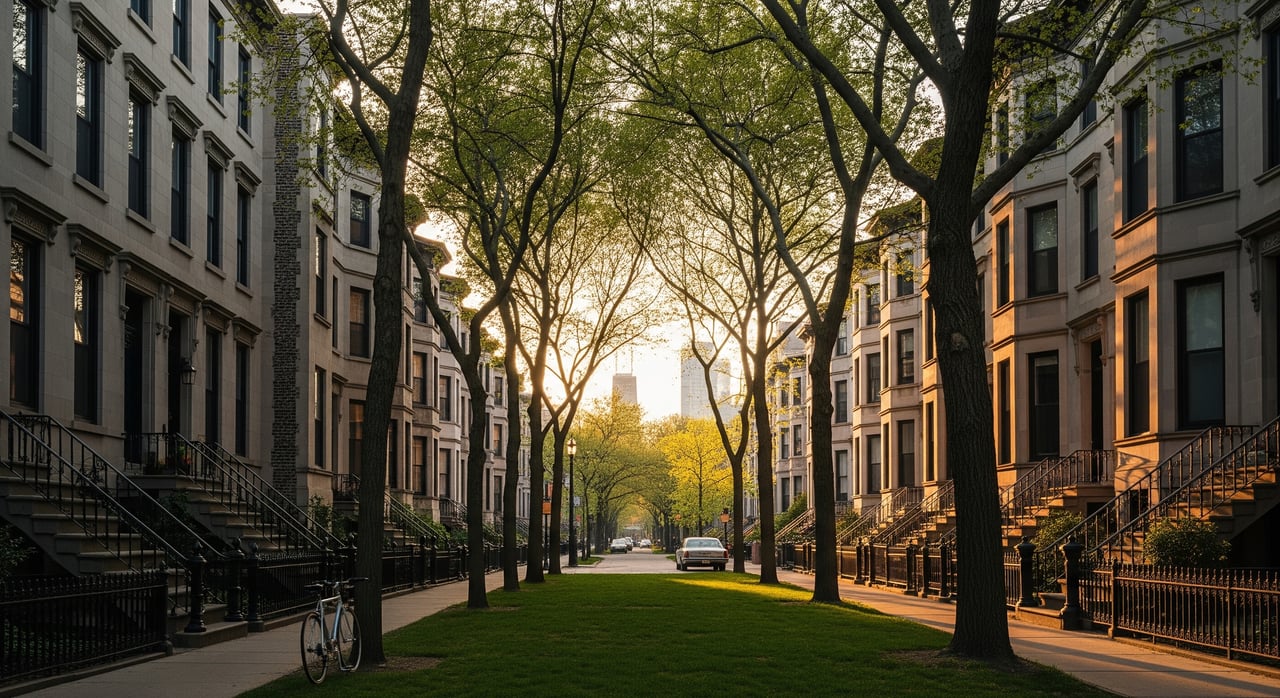
On a block-by-block walk, you will see early 20th-century buildings, wide medians, and tree-lined streets. The result is a neighborhood that feels historic and pedestrian friendly while still offering modern amenities.
Architecture you live with
Classic greystones and two-flats
Greystones and brick two-flats define many residential streets, especially near the boulevards. Interiors often feature tall ceilings, original woodwork, and vintage floor plans. Expect mechanicals that may need updating. Many two-flats are owner-occupied with a rental unit, which can help offset costs if you plan to live in one unit and rent the other.
Walk-ups and vintage apartments
Walk-up buildings appear throughout the neighborhood. You will find studio and one-bedroom units in smaller footprints with stairs instead of elevators. Kitchens and bathrooms may be compact compared to new construction, but room sizes and natural light can be appealing. Storage, laundry, and bike rooms vary by building, so confirm what is on site.
Newer condos and townhomes
Infill condos and rowhouse-style townhomes have grown along Milwaukee Avenue and near the Blue Line. These homes often deliver modern finishes, energy-efficient systems, and smaller maintenance loads. You will likely pay condo association fees and follow building rules, so review budgets, reserves, and any upcoming assessments before you commit.
Mixed-use corridors
Along major corridors, mixed-use buildings pair ground-floor retail with apartments above. This setup places you close to coffee shops, dining, and transit. It can also mean more evening foot traffic and activity, so visit at different times of day to test your comfort level.
Renovation and preservation tips
Logan Square includes preservation-minded areas along the boulevards. If you plan to renovate, certain exterior changes may need review. For vintage homes, build in a realistic budget for electrical, plumbing, windows, roofs, insulation, and masonry. A strong inspection and contractor walk-through will help you separate cosmetic updates from big-ticket systems.
Green space and boulevards
Boulevard system basics
Logan Boulevard and the neighborhood’s connected boulevards function like linear parks. Wide medians, mature trees, and open sightlines encourage walking and gathering. The design also calms the pace of certain streets, which many residents value as daily outdoor space.
Parks, the 606, and outdoor rhythm
The plaza around the Logan Monument serves as a central meeting point and event space. Small pocket parks and playgrounds dot the neighborhood. The 606, also known as the Bloomingdale Trail, runs along the southern edge of the area that interfaces with Logan Square. It is a popular route for biking, jogging, and getting to nearby neighborhoods.
Lifestyle and home value notes
If you love stepping outside for a morning run, dog walk, or farmers market, the boulevards are a practical extension of your home. Homes that face green space often carry a premium because of views and immediate access. If you prefer extra quiet, tour homes on side streets and near pocket parks to compare sound levels.
Daily life and amenities
Food, cafes, and nightlife
Logan Square is known for independent restaurants, cafes, and bars clustered on Milwaukee Avenue, Logan Boulevard, and surrounding streets. You can find everything from quick coffee runs to destination dining. Evenings and weekends bring more activity near popular spots, so expect a lively scene in those pockets.
Groceries and errands
You will find neighborhood groceries, specialty food stores, and service shops along major corridors. Full-service supermarkets are present, though availability varies by block, so it helps to map your routine. Many residents do a mix of walking errands and quick drives depending on the day.
Culture and community
Small music venues, theaters, art spaces, and seasonal festivals add to the area’s energy. Community groups and business associations host meetings and events. If you want to plug in, sign up for neighborhood newsletters and stop by a public meeting to learn what is happening on planning, preservation, and safety.
Transit and getting around
Blue Line access
The CTA Blue Line serves the Logan Square station, connecting you to the Loop and O’Hare. Commute time depends on your exact block and time of day. If transit is key for you, map your walk to the station and try it once during a typical rush hour.
Walkability and bikes
Many parts of Logan Square feel very walkable, with bike lanes and the nearby 606 boosting cycling options. If biking is part of your commute, trace your route to confirm lane continuity and crossing points at busy streets.
Driving and parking
Arterial streets like Milwaukee Avenue provide direct routes, but congestion depends on time of day and event schedules. On-street parking is common. Some buildings include small garages or parking pads, so confirm availability and any permits you may need, especially if you entertain or work odd hours.
Buying, renting, and costs
Housing mix and budgets
Logan Square offers options for many budgets and goals. You can target a starter condo, a classic two-flat, or a single-family home. Price points vary widely by condition, level of updates, and proximity to parks, boulevards, and transit. For the most current data, review live MLS snapshots and recent neighborhood comps around your target blocks.
Two-flat owner-occupier strategy
A two-flat can be a smart path if you want space plus income. The rental unit can offset a portion of your mortgage, and you can upgrade systems over time. Plan for capital items like electrical service, boilers or furnaces, water service size, and envelope upgrades. Run a simple pro forma with realistic rent ranges and a vacancy and maintenance cushion.
Condo due diligence
For condos and townhomes, evaluate the association’s financials. Look for steady reserves, clear maintenance plans, and any pending special assessments. Ask for meeting minutes to see if residents are discussing roof or masonry projects. Review rules on leasing, pets, and renovations so there are no surprises.
Hidden costs to plan for
- Property taxes in Cook County and the City of Chicago depend on assessed value and exemptions. Budget for potential changes after purchase.
- Utilities and insurance costs vary by building age and system type. Older homes may cost more to heat unless updated.
- If you plan to upgrade basements or build out accessory spaces, account for permitting, waterproofing, egress, and potential zoning checks.
Renting with confidence
If you are renting, confirm what is included in your rent. Older buildings may use radiator heat or have different utility setups. Ask about guest policies, subletting, bike storage, and parking. Tour at night to gauge sound and light levels near commercial strips.
How to choose the right block
Logan Square changes quickly from quiet residential to lively commercial. Tour during a weekday morning, a weekend afternoon, and an evening. Stand on the sidewalk and listen. Check parking patterns, bike traffic, and transit noise. Walk to the nearest grocery and coffee shop to see how the route feels.
Construction-forward advice you can use
If you are eyeing a vintage home, start with structure and systems. Focus inspections on foundation, roof, drainage, electrical capacity, plumbing materials, HVAC, and windows. For masonry buildings, plan for tuckpointing and sealing. For frame homes, review siding, trim, and insulation. If the property sits in or near a preservation area, align your exterior scope with local guidance early.
If your path is a newer condo or townhome, compare association budgets and long-term plans. A slightly higher monthly fee can be worth it if reserves are healthy and common elements are on schedule.
If you want both space and flexibility, a two-flat can deliver primary-home comfort plus rental income. Set realistic rent assumptions and understand how updates like separate utilities, laundry, and sound control can improve value and tenant experience.
Work with a construction-savvy local advisor
Buying or selling in Logan Square rewards a practical approach. A clear scope, realistic budgets, and neighborhood-level insight help you make a confident decision. With a construction-first lens and local market knowledge across Logan Square and nearby areas, you can identify the right property, estimate costs, and move from offer to close with fewer surprises.
Ready to see which Logan Square homes match your goals? Reach out to Marcello Navarro to request a construction-forward consultation and home valuation.
FAQs
Is Logan Square good for transit commutes to downtown Chicago?
- Yes. The CTA Blue Line at Logan Square provides a direct route to the Loop, with exact time depending on your distance to the station and time of day.
What housing types define Logan Square architecture?
- You will see classic greystones, brick two-flats, walk-up apartments, single-family homes, and newer condo or townhouse infill along key corridors.
Are there parks and trails in Logan Square?
- Yes. The boulevards function as linear park space, Logan Square Park anchors the plaza, and the 606 trail nearby supports biking and walking.
How noisy is Logan Square at night for residents?
- It depends on the block. Streets near restaurants, bars, and the Blue Line are busier in the evening, while boulevard and park-facing blocks tend to be calmer.
What should vintage-home buyers budget for in Logan Square?
- Plan for electrical and plumbing updates, roof and window work, insulation, masonry or siding maintenance, and potential preservation review for exterior changes.
How do public schools work for Logan Square addresses?
- Chicago Public Schools assign options by address. Check boundary maps and the latest school information for enrollment details and program availability.