Looking in Wicker Park and feeling torn between a loft, a flat, and a condo? You are not alone. In a neighborhood with historic architecture, converted industrial buildings, and newer residential construction, the right choice often comes down to how you live day to day, not just how many bedrooms you want. This guide breaks down the trade-offs so you can compare layout, upkeep, renovation flexibility, and pricing with more confidence. Let’s dive in.
Why Wicker Park Offers So Many Options
Wicker Park has a layered housing story, and that is a big reason buyers see such a wide mix of homes today. According to the City of Chicago, much of the landmark district was built between 1870 and 1930, with large residences, Victorian-era architecture, and a broad range of late-19th- and early-20th-century styles.
That history still shows up in the housing stock. You will find older flats and rowhouse-style buildings alongside converted lofts and newer condo buildings. In practical terms, Wicker Park gives you several ways to buy into the neighborhood, but each option comes with a different living experience.
The market also sits in a premium urban price range. Recent data sources place median prices around the low-to-mid $600,000s, with Redfin reporting a median sale price of $634,900 in March 2026 and a median condo listing price of $600,000. If you are shopping here, the decision is usually less about finding the cheapest entry point and more about choosing the right fit for your budget and lifestyle.
Wicker Park Lifestyle Matters
Wicker Park is known for strong walkability and transit access, with Redfin showing a Walk Score of 96 and a Transit Score of 90. That changes how many buyers think about housing type. Instead of choosing only for commute convenience, you may be choosing based on how much privacy you want, how often you entertain, or whether you need room to work from home.
That is why the loft-versus-flat-versus-condo question matters so much here. In Wicker Park, building type can shape everything from natural light and sound separation to renovation planning and day-to-day maintenance.
Loft Living in Wicker Park
What defines a loft
Lofts in and around Wicker Park often come from adaptive reuse of older industrial buildings. The Chicago Architecture Center notes that Chicago developers began converting vacant industrial buildings into residential use in the 1980s, and many of those buildings feature the details buyers still love today.
You will often see 12- to 14-foot ceilings, exposed brick, timber beams, large windows, and open floor plans. These features come from the original industrial construction methods, including clear-span design that allows for larger interior spaces with fewer walls or columns.
Why buyers like lofts
If you want volume, light, and flexibility, a loft can be a strong match. Large windows can bring in more natural light, and the open layout can make one home feel bigger than the square footage suggests.
Lofts often appeal to buyers who want one large main living area for entertaining, creative work, or a flexible work-from-home setup. If your ideal home has a more architectural, less compartmentalized feel, this option may rise to the top quickly.
Loft trade-offs to think about
The same openness that makes a loft appealing can also be the main compromise. With fewer separated rooms, you may get less visual privacy and less acoustic separation than you would in a more traditional layout.
That matters if two people work from home, if you prefer clearly defined bedrooms and living spaces, or if you simply like a quieter floor plan. In older loft conversions, you may also want to look closely at how updates were handled and what future changes are realistically allowed.
Vintage Flats in Wicker Park
What makes a flat different
Chicago’s two- and three-flats are one of the city’s signature housing types. The Chicago Architecture Center says they make up about a quarter of Chicago housing and were mostly built between 1900 and 1918.
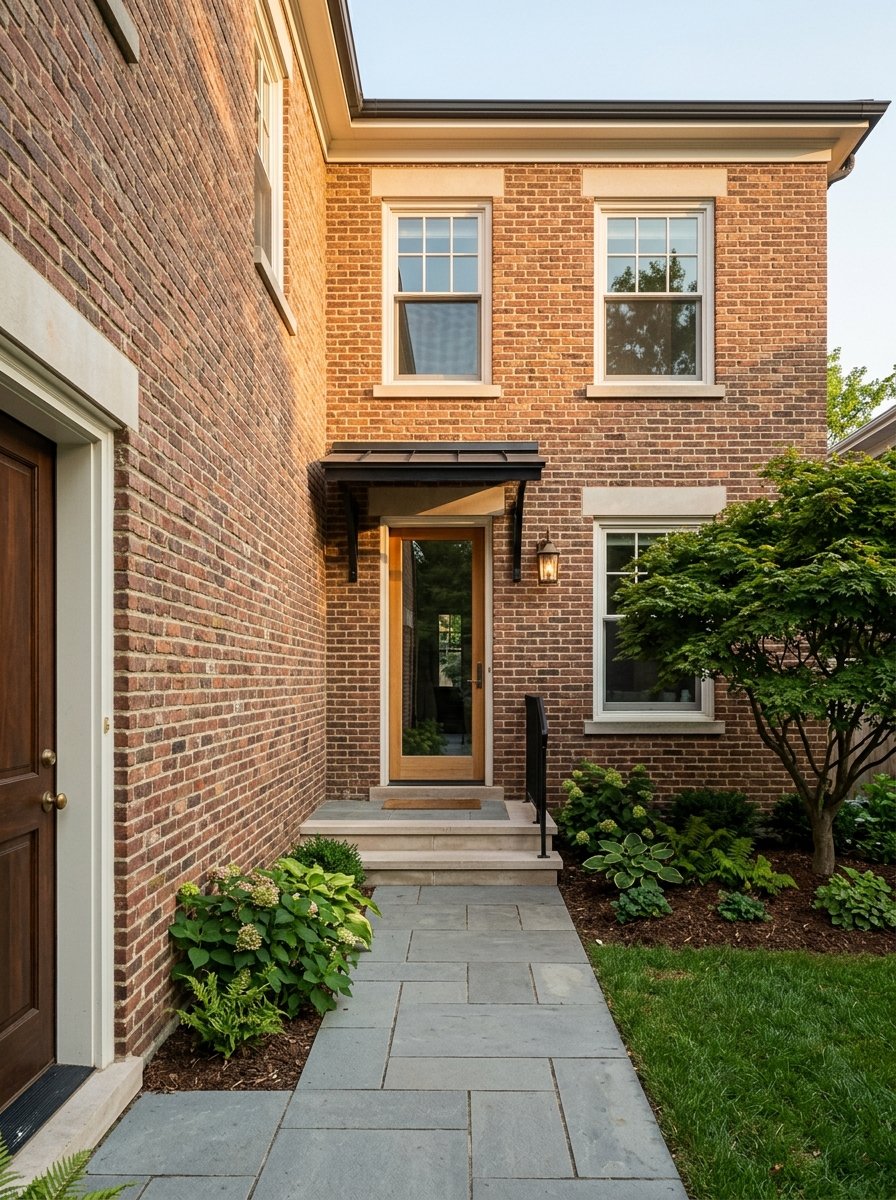
These buildings usually have a more traditional layout than lofts. Typical two-flat forms include brick or stone facades, an entry porch to one side, a projecting bay of windows, and an ornate cornice. In Wicker Park, that older housing fabric often adds architectural character that feels distinctly Chicago.
Why buyers choose flats
A vintage flat can be the sweet spot if you want character without giving up room-by-room living. Compared with a loft, flats often feel more separated and more structured, which many buyers prefer for everyday routines.
If you want a dining room that feels like a dining room, bedrooms that feel tucked away, or a more classic residential layout, a flat may feel more intuitive. Many buyers also love the original detailing and the sense of history that comes with older construction.
Flat trade-offs to think about
The biggest compromise is often age. Older properties may come with modernization needs, and buyers usually have to weigh charm against updates, repair planning, and long-term maintenance.
Supply can also be tighter. Since this building type is no longer commonly built at scale, you are shopping a more limited pool. That can make it especially important to evaluate condition, improvement history, and renovation scope before you commit.
Newer Condos in Wicker Park
What newer condos offer
Wicker Park condo inventory is varied. Current examples range from boutique newer buildings with balconies and large windows to older condo buildings and loft-condo conversions with features like parking and storage.
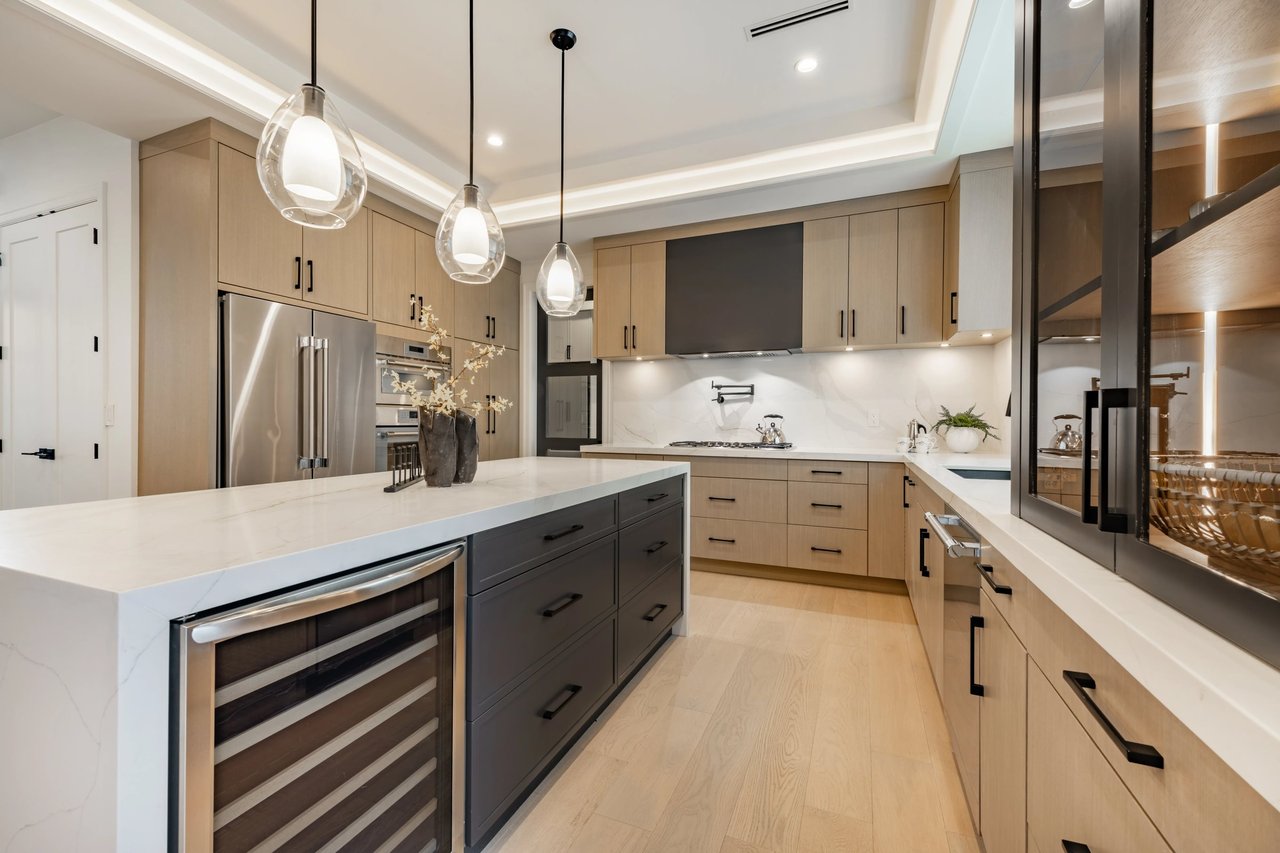
For many buyers, the biggest draw is convenience. A newer condo may offer a more turnkey experience, and depending on the building, it may include features that reduce some of the day-to-day upkeep that comes with older housing.
Why buyers choose condos
If you want a home that feels easier to manage, a condo may be the strongest fit. Buyers often prioritize amenities, parking when available, elevator access in some buildings, and a lower-maintenance ownership model.
That can be especially appealing if you want to spend more time enjoying the neighborhood and less time managing exterior upkeep or major building systems yourself. In a high-demand neighborhood like Wicker Park, that simplicity can carry real value.
Condo trade-offs to think about
Condos come with a more rules-based ownership structure. Under the Illinois Condominium Property Act, unit owners share common expenses, boards prepare annual budgets and maintain reserves, and common elements remain undivided.
In real life, that means renovations may be less flexible than buyers expect, especially when work touches common elements or unit boundaries. If you are the kind of buyer who likes to rework layouts, combine spaces, or make substantial building changes, it is smart to review the building’s documents and limits early.
Landmark Status Can Affect Renovation Plans
In parts of Wicker Park, historic status can add another layer to renovation planning. The City of Chicago states that for designated landmark properties, building permit applications are reviewed to determine whether work affects significant historic or architectural features.
Routine maintenance like painting and minor repairs does not require a building permit, but more substantial work may involve a more defined review path. That does not mean landmarked properties are off-limits. It simply means you should go in with a clear understanding of what is possible, what is restricted, and what may take more time.
For buyers who see potential in older flats or loft conversions, this is where a construction-minded review can be especially useful. Layout ideas are one thing. Buildability, approval path, and real cost are another.
How to Choose the Right Fit
Choose a loft if you want openness
A loft is often the best fit if your top priorities are natural light, open living, entertaining space, and a flexible work-from-home setup. It can feel spacious and visually striking, especially if you prefer modern, open interiors over more defined rooms.
The trade-off is usually privacy and separation. If you are comfortable with that, a loft can deliver a lifestyle that feels hard to duplicate in other housing types.
Choose a flat if you want character
A vintage flat is often the best fit if you value architectural detail, more separated rooms, and a classic Chicago housing form. It can offer a warmer, more traditional feel that many buyers find grounding and practical.
The trade-off is that older homes may ask more of you in terms of updates or maintenance. If you appreciate character and are realistic about condition, that trade-off may be worth it.
Choose a condo if you want convenience
A newer condo is often the best fit if you want lower day-to-day maintenance, more turnkey living, and building amenities when available. It can simplify ownership in a neighborhood where location and lifestyle already do a lot of the heavy lifting.
The trade-off is less freedom around certain renovations and shared financial responsibilities through the association. If predictability and ease matter more to you than total control, a condo may be the right call.
A Practical Wicker Park Buying Lens
In Wicker Park, square footage alone rarely tells the full story. Two homes with similar size and price can live very differently depending on ceiling height, room separation, building rules, and update potential.
That is why your search should start with your daily habits. Think about whether you work from home, how often you host, how much privacy you need, and whether you want a move-in-ready home or a place with room to improve over time.
If you are comparing options in Wicker Park, the smartest move is to look beyond finishes and ask more technical questions early. A home can be beautiful on day one and still be the wrong fit if the layout does not support your routine or the renovation path is more limited than expected.
When you want help weighing layout, condition, and renovation potential in Wicker Park, Marcello Navarro offers a construction-forward, neighborhood-savvy approach that helps you make a clear decision with fewer surprises.
FAQs
What is the difference between a loft and a flat in Wicker Park?
- A loft usually offers open space, higher ceilings, industrial details, and fewer divided rooms, while a flat usually has a more traditional layout with more separation between living spaces.
Are condos in Wicker Park easier to maintain than flats?
- In many cases, yes. Condos often offer a lower-maintenance ownership model, but you also share common expenses and follow association rules.
Are Wicker Park lofts usually in older buildings?
- Often, yes. Many lofts in and around Wicker Park come from converted industrial buildings, which is why they often feature exposed brick, timber beams, and large windows.
Do landmark rules affect Wicker Park renovations?
- They can. In designated landmark properties, the City of Chicago reviews permit applications to see whether proposed work affects significant historic or architectural features.
Is Wicker Park an affordable entry-level market?
- Current market data suggest it is a premium urban market, with median prices around the low-to-mid $600,000s depending on the source and property type.
How should buyers choose between a loft, flat, or condo in Wicker Park?
- Start with how you live. Your best fit usually depends on whether you prioritize openness, character, privacy, convenience, or renovation flexibility.