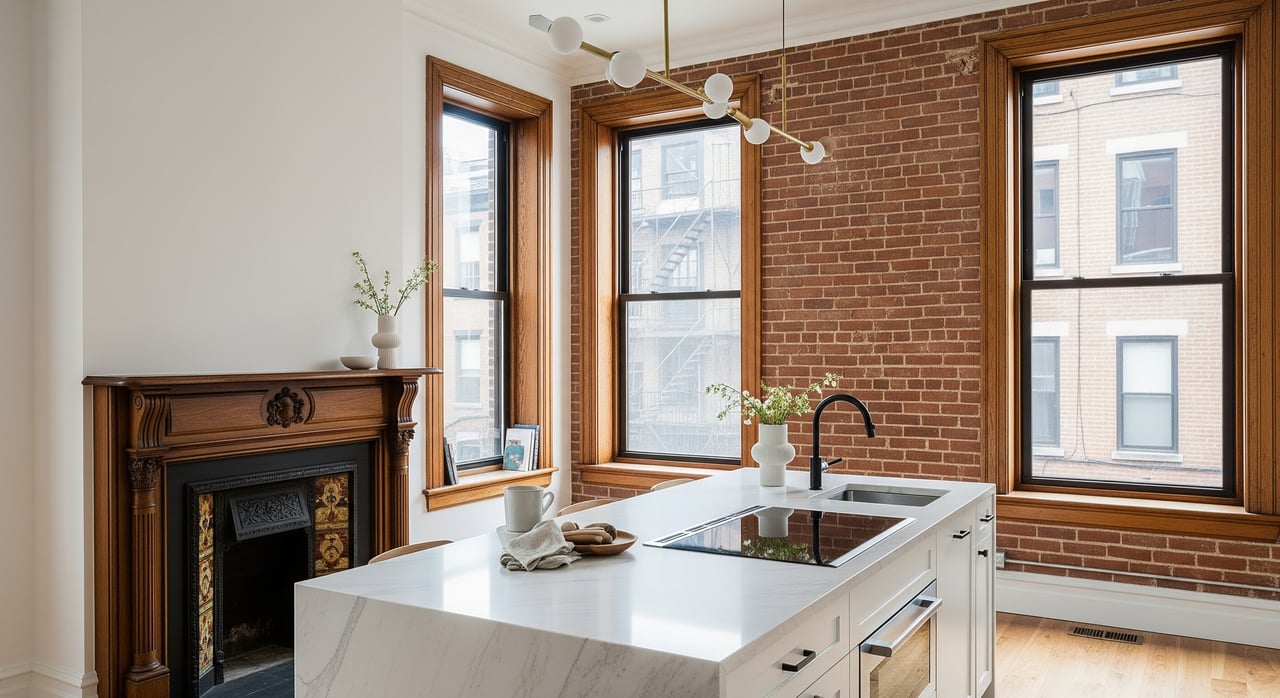
Eyeing a Bucktown vintage two-flat that needs new systems and a fresh kitchen, but unsure how to pay for the work? You are not alone. Renovation financing in Chicago can be confusing, yet the right loan can simplify your purchase and fund improvements with fewer surprises. In this guide, you will learn how FHA 203(k), Fannie Mae HomeStyle, and home equity options work, how contractor draws get paid, and what to plan for with Chicago permits and timelines. Let’s dive in.
Renovation loans at a glance
If you want to buy or update a home in Bucktown, you will likely look at three paths:
- FHA 203(k): Combines your purchase or refinance with renovation funds in one mortgage. Lower down payment, with mortgage insurance. Great for owner-occupants, including buyers of older single-family homes and small multi-unit buildings.
- Fannie Mae HomeStyle Renovation: A conventional mortgage that also rolls repairs into the loan. Often better for borrowers with stronger credit or for second homes and certain investment uses.
- HELOC, home equity loan, or cash-out refinance: Uses your existing equity for flexibility and speed. You manage payments to the contractor. Good for phased or smaller projects if you have equity.
Each option has different rules for appraisals, inspections, and how funds are released. Your best fit depends on scope, timing, and how much oversight you want during construction.
FHA 203(k): when it fits Bucktown homes
Limited vs. Standard
FHA 203(k) has two versions. The Limited 203(k) is for non-structural, cosmetic updates and has a capped renovation amount. The Standard 203(k) covers larger scopes and structural work. HUD updates program limits and details, so always check the current FHA 203(k) program for the latest rules.
Key features:
- One loan for purchase plus renovation or for a refinance plus renovation.
- Minimum down payment for eligible buyers is typically around 3.5 percent.
- Mortgage insurance is required.
- Standard 203(k) requires a HUD 203(k) consultant who prepares the scope and inspects draws.
- Appraisal looks at the home’s value after the work is complete.
How funds and inspections work
With 203(k) Standard, your lender holds renovation funds in escrow. A HUD-approved 203(k) consultant helps draft the work plan, reviews progress, and signs off on draws. Lenders typically pay contractors in stages based on approved milestones.
Who it suits
You want 203(k) when you plan to live in the home, need a lower down payment, and are tackling structural work or a full system overhaul in a Bucktown vintage property.
HomeStyle Renovation: conventional flexibility
Eligible properties and scope
The HomeStyle Renovation program is a conventional mortgage that rolls repairs into your loan. It can be used for primary residences and, under certain conditions, second homes and investment properties. Conventional underwriting standards apply, and private mortgage insurance may be required if your down payment is below typical thresholds.
Compared with FHA rules, HomeStyle can allow more flexibility for project type, including some luxury improvements. Lenders still need clear plans, budgets, and inspections.
Draws and oversight
Lenders hold funds in escrow and release draws after inspections. Your lender may use staff or approved third-party inspectors. Documentation, lien waivers, and permit sign-offs are standard.
Who it suits
You have a stronger credit profile, want conventional terms, or need flexibility in scope or property type. HomeStyle is also a good match if you plan a larger budget and want a conventional path.
HELOCs and cash-out: speed and control
How they work
A HELOC is a revolving line of credit secured by your home. You draw as needed, often at a variable rate. A home equity loan is a fixed-rate second mortgage that funds in a lump sum. With a cash-out refinance, you replace your current mortgage with a larger loan and take the difference in cash.
Pros and cautions in Chicago projects
These options can be faster than renovation mortgages and give you direct control over contractor payments. You will not get lender-managed escrow by default, so you must be disciplined about contracts, lien waivers, and inspections. Rates may be variable for HELOCs, and second liens add risk if markets change.
Good fits
You have strong equity, a smaller or phased project, and comfort managing contractors. This path works well for cosmetic updates, tuckpointing, or targeted systems work.
How contractor draws and escrow really work
Typical draw schedule
Expect milestone-based draws. Many projects include a small initial disbursement at closing for materials and mobilization, followed by progress draws for framing, rough mechanicals, drywall, and finishes. A final retainage of about 5 to 10 percent is common until the job passes final inspection.
Documentation lenders require
Most lenders ask for:
- Contractor invoices and a line-item budget.
- Photos of completed work and signed affidavits.
- Lien waivers from the general contractor and subs for each draw.
- Permit documentation, including passed inspections when required.
- On-site inspections. For 203(k) Standard, a HUD 203(k) consultant must inspect. For HomeStyle, lenders use their own approved inspectors. For HELOCs or cash-out refi, inspections are not always required unless you set up an escrow.
Lien risk and protections
Illinois uses mechanic’s liens. Protect yourself by collecting conditional partial lien waivers with each draw, keeping permits current, and verifying that your contractor carries general liability and workers’ compensation insurance. For large jobs, consider title company construction disbursement services.
Timeline for draws
Inspections, paperwork review, and fund release can add days or weeks to each draw. The 203(k) Standard usually has the most administrative steps. Plan a 10 to 20 percent contingency in the budget. Many lenders also require a formal contingency reserve.
Chicago and Bucktown rules to plan for
Permits and timelines
Most real work in Bucktown needs permits from the Chicago Department of Buildings. Structural changes, masonry, roof, porches, major exterior work, and most electrical, plumbing, or HVAC updates require permits. You may need architectural drawings and staged inspections. Permit reviews can take multiple weeks depending on scope and workload, so build that into your schedule.
Historic and landmark considerations
Bucktown has many vintage homes. If your property is a designated landmark or within a landmark district, exterior changes often require design review and approval by the Commission on Chicago Landmarks. This can extend your timeline and affect materials and methods. Check early to avoid delays.
Lead-safe and hazardous materials
If your home was built before 1978, any work that disturbs painted surfaces may trigger the EPA RRP Rule. Hire an EPA-certified contractor who follows lead-safe practices. Asbestos in older materials and outdated wiring can also require licensed professionals.
Licensing and insurance
Chicago requires trade licensing and contractor registration in many cases, and contractors must be listed on permits. Always verify credentials and confirm active liability and workers’ comp insurance.
Property taxes and insurance
Major improvements can change your assessed value over time. Review guidance from the Cook County Assessor to understand potential impacts. During construction, confirm that your homeowner policy and your contractor’s insurance cover renovation risks, or consider builders’ risk coverage if required by your lender.
Match your loan to the project
Use these quick fits for common Bucktown scenarios:
- Small cosmetic updates: Think minor kitchen refresh, bath finishes, or selective exterior work. Good fits include a HELOC if you have equity, or FHA 203(k) Limited if you are buying with FHA and within program caps.
- Moderate renovation: Systems upgrades, a kitchen or bath gut, or non-structural additions. Consider HomeStyle for conventional flexibility or FHA 203(k) Standard if you need a lower down payment or if structural elements emerge.
- Major renovation or structural work: Foundation repairs, additions, or a full gut rehab. FHA 203(k) Standard fits owner-occupants. HomeStyle works if you qualify conventionally. A cash-out refi can also fund large scopes if you have strong equity.
- Speed or phased projects: HELOC or cash-out refi can start faster and allow staged work. You must manage contracts, lien waivers, and quality checks.
Pre-loan checklist
- Confirm current FHA and conforming loan limits for Cook County.
- Get preliminary contractor bids, scope details, and a realistic schedule.
- Compare total cost of funds, including interest, mortgage insurance or PMI, and fees with a renovation-experienced loan officer.
- Map out permit steps, historic reviews, and lead-safe practices as part of your schedule and budget.
- Decide how much lender oversight you want during construction and how comfortable you are managing contractors.
Example Bucktown scenarios
Vintage two-flat, systems and kitchen: You plan to occupy one unit and modernize electrical, plumbing, and a full kitchen. FHA 203(k) Standard can bundle the purchase with a full rehab budget, include a HUD consultant for oversight, and use an as-completed appraisal. HomeStyle is another option if you meet conventional guidelines and want broader scope flexibility.
Single-family exterior and interior refresh: You own a frame house that needs tuckpointing, window restoration, and a bath update. A HELOC lets you phase the work across seasons and draw funds as needed. If you prefer lender-managed disbursements or you are buying the home, 203(k) Limited or HomeStyle can keep funds in escrow and tie payments to inspections.
Work with a construction-forward advisor
Renovation loans do more than fund a project. They shape your timeline, your cash flow during construction, and how your team gets paid. A clear scope, a realistic budget, and the right loan choice make Bucktown rehabs smoother and more predictable. If you want help aligning the home you love with a plan that fits your budget and timeline, connect with Marcello Navarro for a construction-forward consultation and home valuation.
FAQs
Can I use FHA 203(k) for a Bucktown two-flat if I live in one unit?
- Yes. FHA 203(k) is for owner-occupants and can be used on multi-unit properties when you occupy one unit as your primary residence. Confirm details with your FHA lender.
Will renovation funds increase my Cook County property taxes right away?
- Significant improvements can lead to higher assessed value at future reassessment cycles. It is not always immediate, but plan for potential changes.
Under a 203(k), who holds funds and inspects the work?
- Lenders hold funds in escrow. For 203(k) Standard, a HUD-approved 203(k) consultant prepares the scope and inspects draws before funds are released.
What Chicago approvals can slow an exterior project in Bucktown?
- Landmark review and design approvals for designated properties, along with standard Building Department permits and inspections, can extend timelines.
How long do renovation draws take to release in Chicago?
- Once you request a draw, scheduling inspections, reviewing documents, and processing payment can add days to weeks. Plan buffer time between phases.
Do I need permits for interior updates?
- Many interior projects, such as electrical, plumbing, HVAC, and structural work, require permits. Always verify requirements with the Chicago Department of Buildings before starting.