Wondering whether that charming Logan Square vintage home is a smart renovation project or a money pit in disguise? If you are drawn to original brickwork, old-school layouts, and the idea of creating value through updates, you are not alone. The good news is that many of Logan Square’s older homes do offer real renovation potential, but the best opportunities usually come down to shell condition, layout flexibility, and parcel-specific due diligence. Let’s dive in.
Why Logan Square Vintage Homes Stand Out
Logan Square has deep architectural roots, with much of its residential fabric built in the late 19th and early 20th centuries. City history sources describe the area as lined with graystone two-flats and substantial single-family homes, and the Logan Square Boulevards District includes buildings that largely date from 1880 to 1930.
That age matters for buyers because older housing stock often brings both character and complexity. You may find original masonry, strong street presence, and flexible building types, but you also need to look closely at condition, prior alterations, and what the parcel actually allows.
Which Home Types Offer Renovation Potential
Workers Cottages
Chicago workers cottages are one of the most interesting options for renovation-minded buyers. They are typically 1.5-story homes with a front-facing gable roof, a narrow footprint, and a raised basement.
Many cottages were later lifted or modified to create more usable living space or even an additional apartment. If you are evaluating one in Logan Square, that history of adaptation can be a positive sign because it may suggest the home has already been reworked in ways that support future updates.
Classic Two-Flats
Two-flats are another vintage property type worth close attention. They appeal to buyers who want flexibility, whether that means living in one unit and using rental income to offset costs or creating space for multigenerational living.
From a practical standpoint, two-flats can offer more paths to value than a smaller single-family home with a rigid layout. That said, the same rule applies here: the shell, systems, and zoning details will shape what is truly possible.
What to Notice From the Street
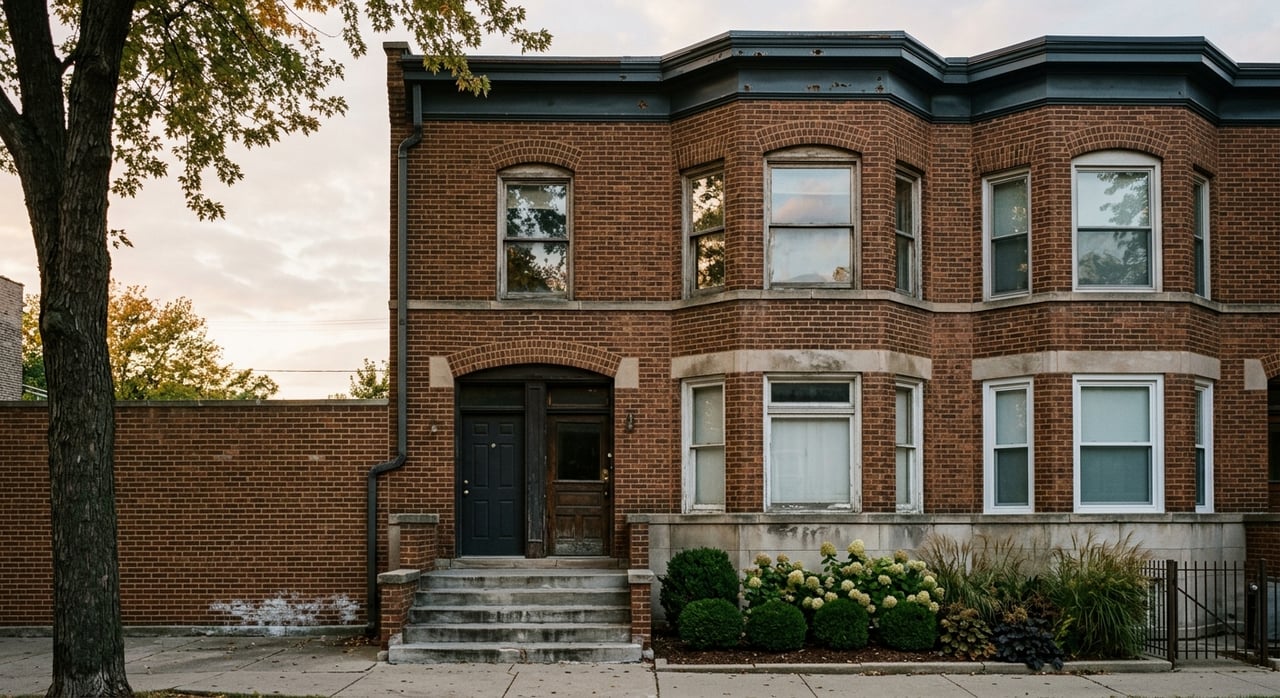
Before you ever get to an inspection report, the exterior can tell you a lot. In Logan Square, some of the biggest clues come from the shell and overall massing of the building.
Pay attention to these visible signs:
- Masonry condition
- Roofline shape and continuity
- Porch and entry condition
- Window rhythm across the facade
- Rear building depth and whether there appears to be room for an addition
Older masonry homes were often built to a high architectural standard, but many now need repairs to masonry, roofs, porches, windows, and aging mechanical systems. A home with intact street-facing character and a solid-looking shell may offer better renovation upside than one with obvious exterior distress and awkward alterations.
Clues Specific to Workers Cottages
Workers cottages often show their renovation story right on the outside. Mixed exterior materials between levels, evidence the house was raised, or a basement that appears intentionally improved instead of purely utilitarian can all suggest prior adaptation.
That does not automatically make the project easy, but it can be encouraging. If the home has already evolved while keeping its street-facing character intact, it may be better positioned for another thoughtful update.
The Inspection Items That Usually Shape Budget
In vintage Logan Square homes, inspection findings often determine whether a project stays manageable or becomes expensive fast. The biggest budget drivers tend to be masonry issues and outdated mechanical systems.
This is where a construction-minded review matters. Cosmetic updates are one thing, but shell and systems work is what can change your budget, timeline, and financing strategy.
Masonry Red Flags
For older brick and masonry homes, watch closely for:
- Cracking
- Spalling
- Bowing
- Leaning
- Deteriorated mortar
- Damp walls
- Loose bricks
- Damaged plaster that may point to moisture issues
These conditions can reflect settlement, freeze-thaw movement, corrosion, or movement between building materials. They are important not just because repairs cost money, but because they can signal active building movement or chronic water intrusion.
If you notice multiple masonry warning signs together, treat that as a serious due-diligence issue. In many vintage homes, the biggest structural warning sign is active masonry movement combined with water problems.
Mechanical Systems to Expect to Update
In older masonry houses, outdated mechanical systems are common. Typical update items include older furnaces, boilers, water heaters, fuse boxes, wiring, plumbing, and water supply lines.
That does not mean you should walk away. It means you should budget realistically and avoid assuming that a nice kitchen or fresh paint means the expensive work is already done.
What Parts of the Home Are Worth Preserving
One of the biggest mistakes in a vintage-home renovation is spending heavily to erase the very features that make the property appealing. In many older Chicago masonry homes, the most valuable spaces to preserve are the primary rooms that define the original character.
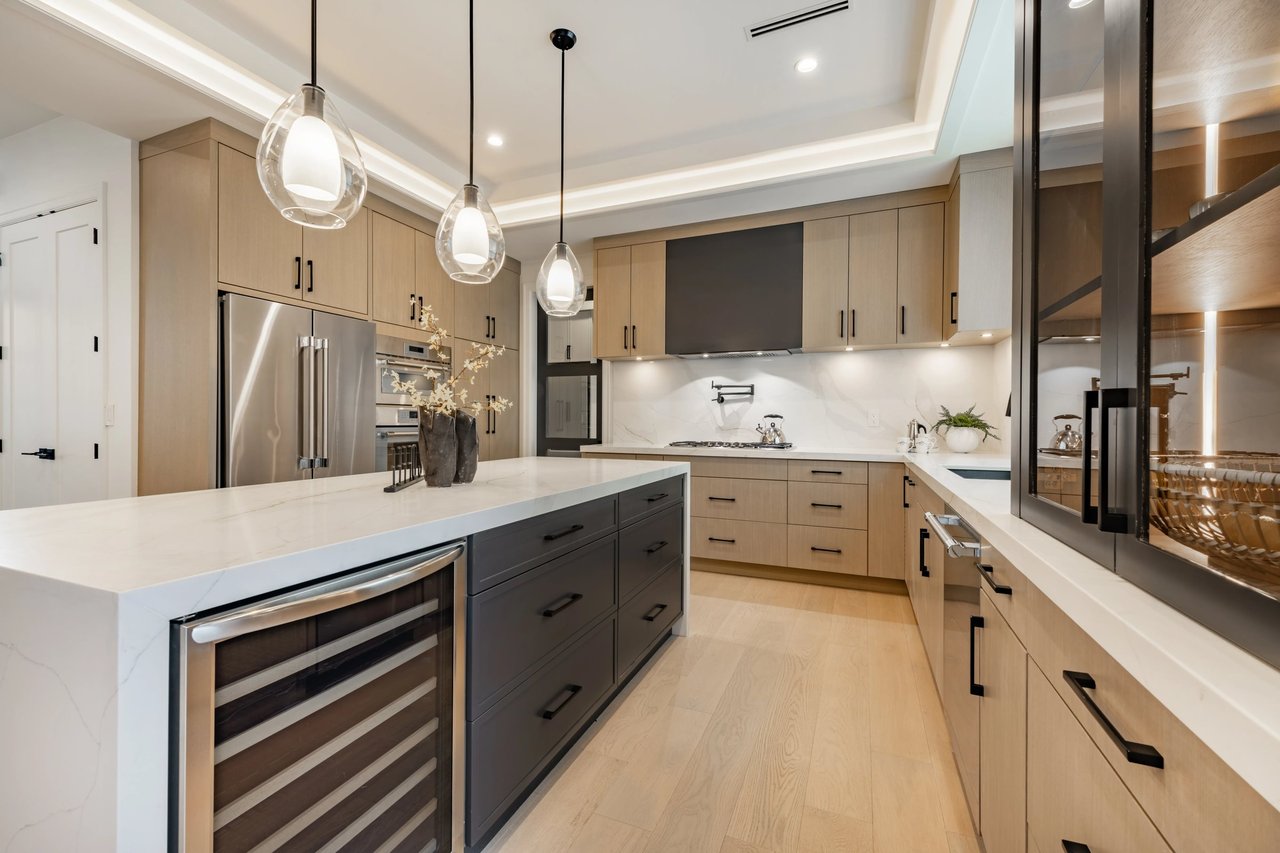
That often includes vestibules, stair halls, living rooms, and dining rooms. Kitchens, baths, attics, and basements are usually the areas where modernization makes the most sense.
If you are planning changes, rear additions and less visible elevations are generally more compatible with the character of these homes than highly visible front-facing changes. That principle becomes especially important if the property falls within a landmark district.
Check Zoning and Landmark Status First
In Chicago, you should never assume the same rules apply across the whole neighborhood. The city’s zoning map is parcel-specific, and its layers include zoning, historic districts, landmark boundaries, and an ADU Area layer.
For any Logan Square vintage home, one of the first steps is to verify the exact parcel. This is essential because renovation feasibility depends on the actual lot and designation, not just the neighborhood name in the listing.
Why Landmark Status Changes the Plan
If a property sits within a landmark district, the Commission on Chicago Landmarks reviews permit applications for alterations, demolition, and new construction affecting that district. In these areas, the features that usually matter most are the exterior elevations visible from the public right-of-way.
That means additions, dormers, and rooftop changes may need pre-permit review depending on visibility. By contrast, rear additions on standard-width Chicago lots that continue the existing massing are generally considered minimally visible from the public way.
For buyers, this does not mean landmark properties are off the table. It means your renovation plan needs to be shaped by what the city will review, not just by design preference.
How to Use Public Records the Right Way
Chicago’s building and inspection records can be useful during due diligence, but they are not complete proof of a home’s condition or compliance. The city notes that these records are informational only.
In plain terms, the absence of violations does not prove everything is compliant, and a permit record does not confirm the work was done correctly. Older work may also require deeper record checking because real-time status is only available while an application is under review.
This is why public records should be one layer of your evaluation, not the whole thing. They can help you spot prior additions or alterations, but they should be paired with a careful property review and realistic renovation analysis.
A Practical Way to Evaluate Upside
If you are trying to separate a promising project from a risky one, focus on the basics first. In Logan Square, the vintage homes that often offer the most upside usually share a few traits.
Look for:
- A sound masonry shell
- Intact street-facing character
- Rear-yard or interior flexibility for layout changes or an addition
- Manageable system updates rather than severe structural distress
- Clear parcel-level zoning and landmark information
This is where construction knowledge can make a real difference. A beautiful facade may catch your eye, but the better question is whether the building can absorb smart improvements without fighting the structure, the lot, or the review process at every step.
Why a Construction-First Lens Helps
Buying a vintage home for renovation is not just about style. It is about understanding what the building is telling you before you commit.
In a neighborhood like Logan Square, that means reading masonry condition, spotting signs of prior adaptation, checking parcel-specific zoning, and understanding how visible exterior changes may be treated if the property is in a landmark district. When you approach the search with a realistic, buildability-focused mindset, you are far more likely to choose a project that fits your goals and budget.
If you want help evaluating Logan Square vintage homes through both a brokerage and construction lens, connect with Marcello Navarro for a construction-forward consultation and home valuation.
FAQs
What should you check first on a Logan Square vintage home?
- Start with the exact parcel details, including zoning, landmark or historic-district status, and any available permit history for additions or alterations.
What are the biggest renovation warning signs in older masonry homes?
- The most serious red flags are active masonry movement and chronic water intrusion, especially when you see cracking, spalling, leaning, bowing, or deteriorated mortar.
Which Logan Square home types are often attractive for rehab buyers?
- Workers cottages and classic two-flats are often strong candidates because they can offer flexible layouts, adaptation potential, and in the case of two-flats, possible rental or multigenerational use.
Are rear additions easier to plan than front-facing changes in Logan Square?
- In many cases, yes. Rear additions that continue the existing massing on a standard-width Chicago lot are generally considered minimally visible from the public way, which can matter in landmark review.
Do Chicago permit and inspection records fully confirm a home’s condition?
- No. The city states that these records are informational only, so they should be used as one part of due diligence rather than as proof that all prior work was compliant or properly completed.