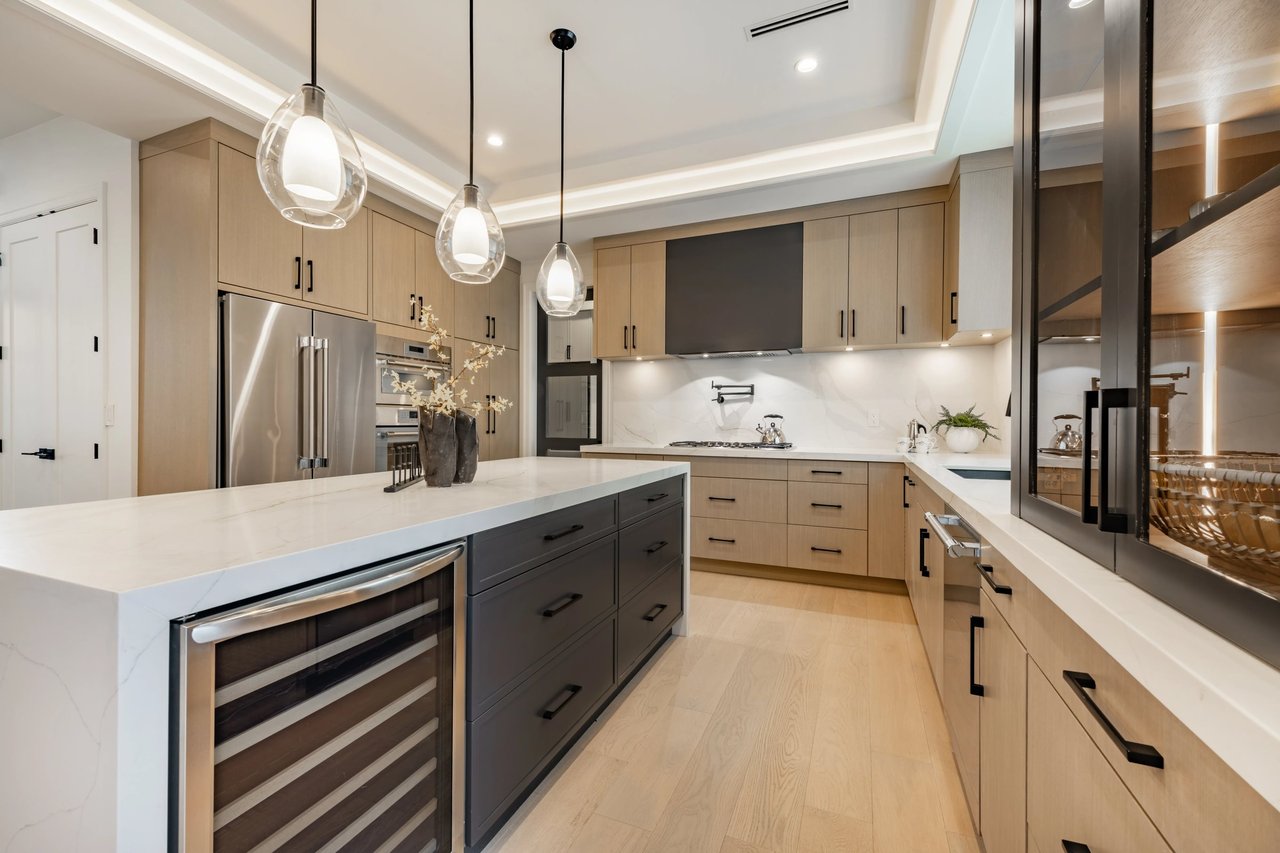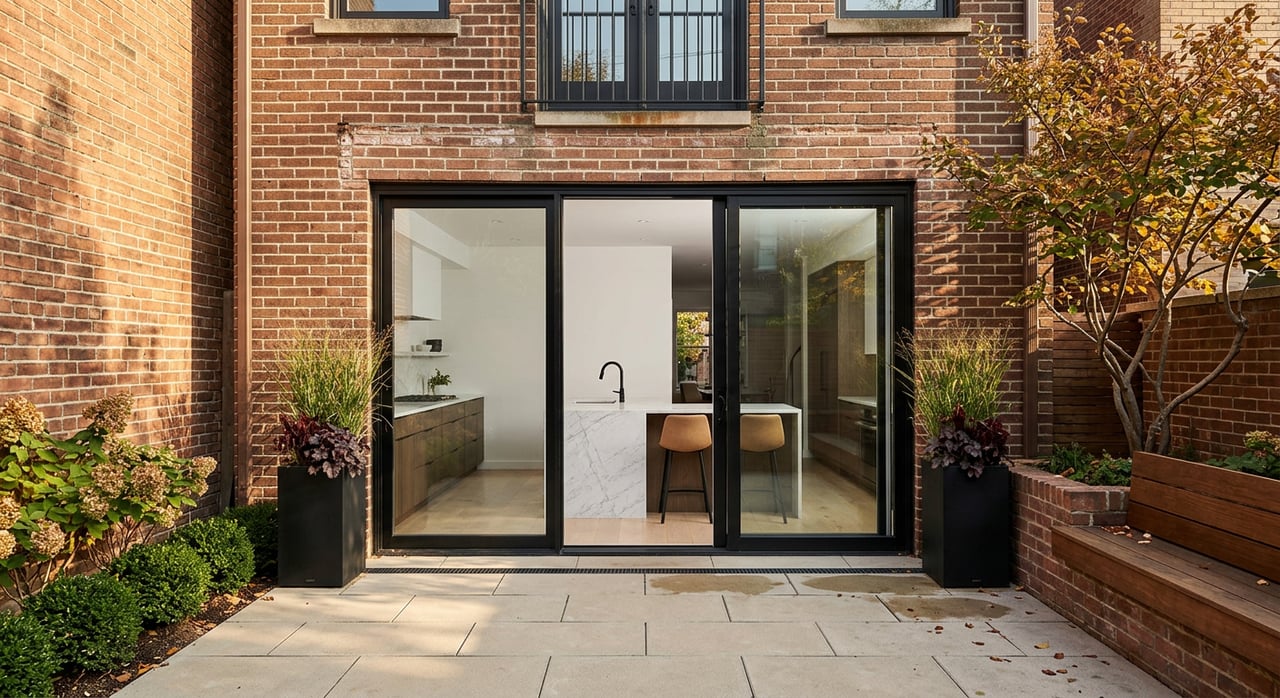
Trying to choose your first Bucktown home but not sure if a sunlit loft condo, a vertical townhome with a roof deck, or a classic single-family on a tree-lined street fits best? You’re not alone. Prices, monthly costs, and renovation rules vary a lot by property type, and the details matter in this neighborhood. In this guide, you’ll compare space, privacy, maintenance, financing, and permit considerations, so you can align your choice with your lifestyle and budget. Let’s dive in.
Bucktown at a glance
Bucktown offers a walkable, transit-connected lifestyle with the CTA Blue Line nearby and quick access to the 606 trail, parks, and shopping corridors along Damen, Milwaukee, and Armitage. If you value short commutes and weekend errands on foot or bike, this location checks a lot of boxes. You can confirm Blue Line access and service updates through the CTA’s Your New Blue resources.
On price, expect a range. Recent reports show a neighborhood median sale price around the mid- to upper-600s to low-700s, while a separate home-value index places the typical value closer to the low-600s. Different methodologies explain the spread, and actual prices vary by building type, condition, and location. Condos tend to anchor the lower entry points, townhomes sit in the middle, and single-family homes often command the highest prices due to limited supply and larger lot footprints.
Condos in Bucktown: lofts, low- and mid-rises
Condos in Bucktown often live in converted vintage three-flats, greystones, or purpose-built low- and mid-rise buildings. You’ll see open plans, exposed brick, and roof decks in many options along the main corridors.
Space and privacy
Expect 1 to 3 bedrooms, with less interior square footage than most townhomes or single-family houses. Shared walls and floors mean building construction quality and neighbor noise are practical considerations. Corner units, top floors, and better sound attenuation can improve privacy.
Maintenance and monthly cost
The association handles exterior and common-area maintenance. Your HOA fee covers items like building insurance, snow removal, and shared systems, and it can vary widely based on amenities and building size. Ask for the full budget and what each line item covers to understand true monthly cost.
Assessments and reserves
Condo associations can levy special assessments for major repairs. Illinois law requires associations to provide for reasonable reserves for capital expenses and deferred maintenance. Reviewing the reserve study and reserve policy helps you spot assessment risk. You can read more about the Illinois Condominium Property Act’s reserve requirements.
Financing and resale
Financing depends on the building’s eligibility. Lenders use project-review tools like Fannie Mae’s Condo Project Manager and Freddie Mac’s Condo Project Advisor. FHA loans rely on FHA project and single-unit approvals. If a building is non-warrantable or ineligible, you may face higher down payment requirements or fewer loan options, which can also affect future resale.
Renovation flexibility
Cosmetic upgrades are usually straightforward. Structural changes, moving plumbing or HVAC, or any work that touches common elements often requires board approval and city permits. Plan early and ask the board about timelines and rules so you can set realistic expectations.
Who it fits
You might prefer a condo if you want the lowest day-to-day maintenance, a lock-and-leave setup, and close proximity to dining, transit, and the 606.
Townhomes in Bucktown: vertical living with outdoor space
Townhomes appear on quieter blocks and can be either fee-simple or part of a condo-style HOA. Many feature 2 to 4 stories, private entrances, rooftop decks, and alley garages.
Space and privacy
You typically gain more interior square footage and better separation of spaces across levels. Shared side walls are still a factor, but having your own front door and vertical layout adds a sense of privacy. Private outdoor areas, like a roof deck or small yard, are common.
Maintenance and monthly cost
If the home is fee-simple, you own the building and land and handle exterior maintenance, roof, and yard. If there is an HOA, dues often focus on shared elements like a private drive, gate, or limited landscaping. Monthly costs can be lower than a full-amenity condo, but plan for periodic capital items like roofing.
Financing and resale
Fee-simple townhomes usually follow single-family underwriting, which means no condo project certification. That can widen lender choice and reduce financing friction compared with non-warrantable condo projects. It can also support a broader buyer pool at resale.
Renovation flexibility
Interior and exterior updates are typically more flexible than in condos, subject to city permitting and any HOA rules. Before you commit to major changes, verify permit feasibility and past work through the City of Chicago permitting and inspections portal.
Who it fits
You might choose a townhome if you want more space, multiple bedrooms, and private outdoor areas without stepping up to the cost profile of a detached house.
Single-family homes in Bucktown: maximum control and privacy
Detached homes range from updated worker’s cottages to modern new-builds. Inventory is tighter, and many properties trade at higher price points.
Space and privacy
You get the most interior space, private yard, and garage options, plus no shared walls. If you host, need room for hobbies, or want outdoor space, single-family living delivers.
Maintenance and monthly cost
You are responsible for all exterior and structural upkeep. Budget for roof, masonry, porches, and landscaping over time. Utility and insurance costs can also scale with size.
Renovation flexibility
You have the most freedom to reconfigure, add on, or go deeper with design. Major work requires a city permit and inspections. Always review permit history and open permits on the Chicago IPI portal and plan your project timeline with those steps in mind.
Who it fits
Choose a single-family home if you want maximum control, privacy, and the ability to customize extensively, and you are comfortable with higher maintenance and purchase costs.
Side-by-side comparison
| Factor | Condo | Townhome | Single-family |
|---|---|---|---|
| Space | 1–3 beds, compact | Multi-level, more square footage | Largest interiors and yards |
| Privacy | Shared walls/floors | Shared walls, private entry | No shared walls |
| Monthly costs | HOA dues vary by amenities | Often lower dues or none; plan for roof/exterior | No HOA; full upkeep costs |
| Renovation | Board approval for major work | More flexible, possible HOA rules | Maximum flexibility with city permits |
| Financing | Project eligibility matters | Typically simpler, fee-simple | Conventional single-family |
| Resale | Varies with building financeability | Broad buyer pool for family layouts | Scarcer supply, higher price band |
What to ask for condos: the document list
Request these items up front to gauge stability and near-term risk:
- Current year budget and last 2 years of budgets
- Most recent reserve study or written reserve policy
- Insurance declarations for the master policy
- Board and membership meeting minutes for the last 12 months
- Management contract and contact details
- Any pending or recently approved special assessments
- Owner-occupancy ratio, percentage of units owned by one entity, delinquency rates, and any pending litigation
Illinois law requires associations to plan for reasonable reserves. Reviewing the reserve study and minutes will show whether the board is addressing big-ticket items proactively. See the Illinois Condominium Property Act for the statutory framework that guides these practices.
Neighborhood checks for families and commuters
- Transit and trail access. Confirm proximity to Damen and other Blue Line stops and the 606 entrance points. Check service updates through the CTA’s Blue Line resources.
- Parks and play space. Map your walk to local parks and the trail for daily routines like jogging, dog walks, or biking.
- Schools. Verify zoned public schools and your commute to campus. Use neutral, factual sources and confirm details directly with the district.
- Parking and garages. If the property includes an alley garage, note door condition and clearance. Street parking rules may vary by zone.
- Taxes. Chicago property taxes can be a meaningful monthly cost. Estimate payments and review exemptions using the Cook County tax estimator.
How financing shapes your choice
- Condos. Ask your lender to pre-check building eligibility using Fannie Mae’s Condo Project Manager and Freddie Mac’s Condo Project Advisor. If you plan to use an FHA loan, confirm FHA project or single-unit approval early. This can affect both closing timelines and your future buyer pool.
- Townhomes and single-family. Fee-simple ownership generally follows conventional single-family underwriting, which can widen lender choice and make refinances or future sales more straightforward.
Renovation and permit reality in Chicago
Any structural, electrical, plumbing, or footprint change typically requires a building permit and inspections. Exterior changes in condos often need board approval as well. Include a permit-history review and, when possible, a contingency that allows time for a contractor or architect to assess feasibility and code implications. Start by checking the property’s record on the City of Chicago permitting portal.
The bottom line
- Choose a condo if you want convenience, lower hands-on maintenance, and walkability, and you are comfortable sharing decision-making through an HOA.
- Choose a townhome if you need more space and private outdoor areas with manageable monthly dues, and you want renovation flexibility without the full cost profile of a detached house.
- Choose a single-family home if privacy, yard space, and maximum control rank first, and you can budget for higher maintenance and capital projects.
Before you narrow your search, set a clear budget, rank your must-haves, pull the right HOA documents, ask your lender to confirm condo project eligibility if applicable, and review permit and tax history. If you want construction-smart counsel tailored to your Bucktown goals, connect with Marcello Navarro for a consultation.
FAQs
What makes Bucktown’s location attractive for buyers comparing property types?
- Access to the CTA Blue Line, the 606 trail, and walkable shopping corridors supports short commutes and an active lifestyle, which benefits condo, townhome, and single-family owners alike.
How do condo HOA fees in Bucktown typically work?
- HOA dues cover building insurance and common-area services and can vary widely by amenities and building size, so always review the full budget, reserve plan, and any pending assessments.
Why does condo project eligibility matter for financing in Bucktown?
- Lenders use Fannie Mae and Freddie Mac project tools and FHA approvals to determine eligibility; if a project is ineligible, you may face higher down payments or fewer loan options, which can affect resale.
What is the main maintenance trade-off between townhomes and single-family homes?
- Fee-simple townhomes often have lower recurring exterior costs than single-family homes, while detached houses offer maximum control but require full responsibility for roof, façade, yard, and structure.
How should I verify renovation feasibility before buying in Chicago?
- Check the City of Chicago permitting portal for past work and open permits, plan for the required permits and inspections, and factor board approvals if you are buying a condo.
How can I estimate my non-mortgage monthly costs in Bucktown?
- Combine HOA dues if applicable with an estimate of utilities, insurance, and Chicago property taxes using the Cook County tax estimator, and review at least 12–24 months of cost history when available.