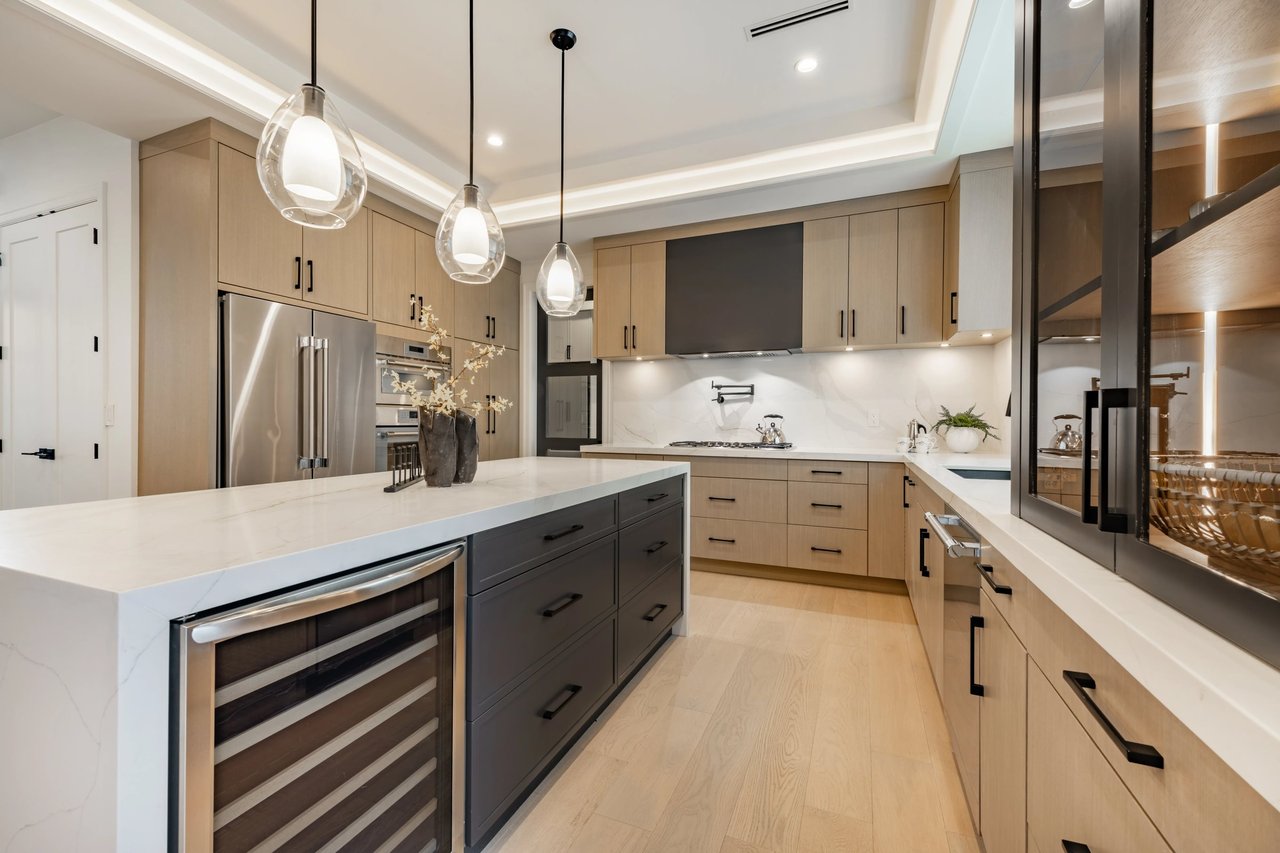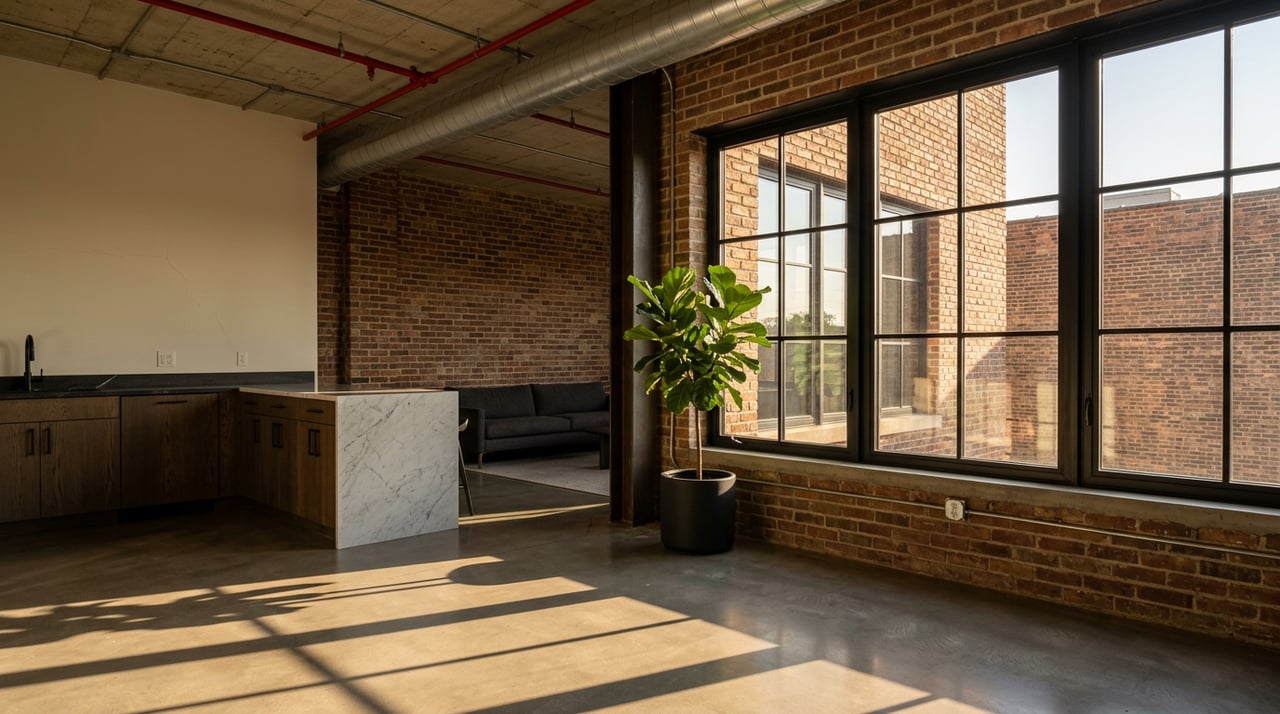
Those soaring ceilings, brick walls, and steel windows are easy to love. But the same features that make West Loop lofts special can hide big-ticket surprises if you do not know what to look for. If you want character without costly regrets, you need to tour with a construction-savvy plan.
This guide shows you how to evaluate West Loop and Fulton Market lofts like a builder. You will learn what to check in structure, masonry, roofs, windows, acoustics, and building documents, plus the right questions to ask before you write an offer. Let’s dive in.
West Loop lofts 101
A large share of West Loop and Fulton Market homes sit in former warehouses or in newer loft-style buildings inspired by them. A portion of Fulton-Randolph Market is a designated Chicago Landmark District, which can influence exterior work on contributing buildings. Review how this affects windows, façade changes, and rooftop elements by starting with the city’s coverage of the district’s creation and scope in 2015. You can get helpful context from local reporting on the Fulton Market Landmark District.
Many historic lofts use load-bearing brick with heavy-timber or early reinforced-concrete frames. These systems deliver tall ceilings and open spans, but they come with their own maintenance profile, especially around masonry, wood condition, and waterproofing. For background on typical West Loop warehouse construction, see this overview of industrial loft history and building types.
Structure and load capacity
What you will see
You will often see heavy-timber beams and columns in earlier buildings and reinforced concrete in later warehouses. Newer loft-style condos tend to use modern framing with different acoustic and fire performance.
Why it matters
Any plan to add a mezzanine, install heavy built-ins, or create a rooftop deck changes loads. Roof gardens and assembly-type uses carry higher live-load requirements than typical roofs. Get a structural engineer involved before you design or demo.
What to ask and check
- Ask whether prior interior build-outs or the existing roof deck were engineered and permitted.
- Look for signs of settlement, unusual floor deflection, or large cracks, then plan an engineer review.
- If you dream of a deck or planters, confirm the required design loads. The ASCE standards outline higher live loads for roof gardens and assembly spaces; reference them as you scope feasibility. See an excerpted overview of ASCE design loads.
Masonry and water management
Common issues
Chicago’s freeze-thaw cycles punish brick and mortar. Expect wear at mortar joints, spalled brick faces, and failures at flashings, parapets, and window sills. Poor repointing methods can make things worse.
What good repairs look like
Proper repointing starts with diagnosis and mortar matching, not indiscriminate grinding or Portland-cement patches. Review professional preservation specs to see what a correct scope looks like. For a technical reference on repointing methods and flashing details, see these professional repointing specs and guidance.
Budget expectations and questions
- Ask for dates, invoices, and photos of the last tuckpointing and masonry repairs, plus the repair specification.
- Ballpark repointing ranges are commonly reported in the mid single-digit to low double-digit dollars per square foot depending on access and mortar matching. For context, review repointing cost ranges, then get a local specialist quote tied to an exact scope.
Roofs, drains, and rooftop decks
Flat roofs are your first line of defense. Membrane condition, parapet flashing, and clean scuppers or drains are key. Overflowing drains are a common source of ceiling stains and interior damage.
If you want a rooftop deck, expect structural review, upgraded waterproofing, and a building permit. Some West Loop properties sit within Planned Developments or landmark areas where roof changes face extra review. For a sense of how plan-level conditions can shape rooftop work, see an example of city-planned development documentation.
Questions to ask:
- When was the roof membrane last replaced or patched? Is there a transferable warranty?
- Have there been roof-related insurance claims? What repairs followed?
- If there is a shared deck, who maintains it and how are costs assessed?
Windows and the exterior envelope
Historic steel-sash windows define the look of many West Loop lofts. Full replacements are often custom and costly. The National Trust’s Preservation Green Lab found that well-executed retrofit options like storm windows, weatherstripping, and reglazing can approach the energy performance of replacements at lower cost while preserving character. Review the findings in the Green Lab’s report on window retrofit performance and savings.
If the building is in the Fulton-Randolph Market Landmark District or is a contributing structure, exterior window work may require Landmarks approval. Ask the seller for records of window repairs or replacements, including approvals where needed.
Sound transfer realities
Open plans, hard surfaces, and exposed structure look great but can be louder than modern condos. Building codes set baseline acoustic targets of roughly STC 50 for airborne sound and IIC 50 for impact sound between units, but some older conversions fall short without upgrades. For code expectations and mitigation strategies, see this guide to STC/IIC performance and acoustic solutions.
Practical steps:
- Ask the association or seller for any documented STC/IIC test results.
- If quiet is a must, budget for mitigation like underlayment, floating floors, or decoupled ceilings.
- Add soft finishes or panels to reduce echo inside your own space.
Systems and potential hazards
Mechanical
Confirm if HVAC is central or unit-level, and who pays. Note rooftop condenser locations and whether equipment noise affects the unit or terrace. Older boilers or water heaters can be expensive to replace and may require coordination with the association.
Electrical and plumbing
Open the panel and note amperage and labeling. If you see aluminum wiring or any remaining knob-and-tube, treat that as a red flag and plan a licensed electrician review. Look for signs of active plumbing leaks.
Hazardous materials
In older industrial buildings, you may encounter asbestos-containing materials in pipe insulation, mastics, or floor tiles, and lead-based paint in pre-1978 buildings. Hire certified testers before disturbing suspect materials and follow federal guidance. Start with the EPA’s overview of asbestos safety and regulations.
HOA rules, reserves, and your scope
In many condo declarations, windows, roofs, and exterior masonry are common elements or limited common elements maintained by the association. This matters for your budget and for permits. Ask to see the most recent reserve study, budget, special assessment history, and meeting minutes.
Illinois’s Condominium Property Act requires boards to consider reasonable reserves for repair and replacement of common elements. Low reserves or pending projects can impact monthly costs and resale. Review the statute’s framework in the Illinois Condominium Property Act.
Your showing and inspection game plan
Quick checks during the showing
- Scan ceilings, walls, and window surrounds for water stains.
- Step across rooms to feel for sagging or uneven floors.
- Listen for footfall or voices from adjacent units during a walkthrough.
- Inspect window frames for corrosion or loose sashes, and test operation.
- Note exposed ductwork and the condition and age of visible HVAC and water heaters.
Documents to request early
- Roof invoices, warranty, and date of last replacement or major repair.
- Masonry and tuckpointing scopes with mortar specifications and photos.
- Window work records, including whether approvals were required.
- Permit history for the unit and major building projects.
- HOA budget, reserve study, meeting minutes for the last 12 to 24 months, assessment history, and insurance certificate.
- Any asbestos or lead testing reports tied to prior work.
Specialists to bring in
- Licensed general inspector for a broad review and referral notes.
- Structural engineer if you plan a mezzanine, deck, or see deflection or cracking.
- Historic-preservation mason for tuckpointing and brick diagnostics.
- Roofing consultant for membrane condition and drainage mapping.
- Licensed HVAC, electrical, and plumbing contractors for capacity and life-cycle checks.
- Certified asbestos and lead testers if the building predates common cutoffs.
- Acoustician if you want verified STC/IIC targets or a costed mitigation plan.
Budget and surprises to plan for
Two themes often surprise first-time loft buyers:
- Exterior envelope work is expensive. Masonry, windows, and roofs can be big line items and are often association responsibilities. Verify reserves and pending projects before you commit.
- Acoustics need a plan. Open, hard-finished lofts are not always quiet without upgrades. If sound matters, build mitigation into your budget and timeline.
Smart questions to ask sellers and HOAs
- When was the roof last replaced, and is the warranty transferable? Were permits closed out?
- Has the association completed tuckpointing in the last 10 years? Can I review the scope and materials used?
- Are the windows original steel sashes? What restoration or retrofit steps have been taken for energy performance and operation?
- Can I see the association’s latest reserve study and minutes discussing upcoming capital projects or special assessments?
- Have there been recurring water intrusion, mold, or pest issues in the building? What remediation occurred?
- Are there documented STC/IIC test results for assemblies between units? Have any acoustic upgrades been completed?
- Were past in-unit renovations permitted with final inspections? Can I see the permits and sign-offs?
Buying a West Loop loft is about seeing past the aesthetic and into the building’s bones. With the right questions and the right specialists, you can enjoy the character you want while avoiding the risks you do not. If you want a builder’s eye on your short list, schedule a consult with Marcello Navarro to review scope, reserves, and buildability before you offer.
FAQs
What should I know about West Loop landmark rules for window changes?
- If your building is in a landmark district or is a contributing structure, exterior window changes may require Landmarks approval; ask for past approval letters and plan for a repair-first approach when possible.
How do I evaluate soundproofing in a West Loop loft before I buy?
- Ask for any STC/IIC test data, listen during showings for airborne and footfall noise, and have an acoustician or contractor open small access points to verify the floor-ceiling assembly if noise control is a top priority.
Who pays for windows and roofs in a Chicago condo conversion?
- Declarations often assign windows, roof, and exterior masonry to the association as common or limited common elements; verify responsibility in the documents and check reserves and planned projects.
Are rooftop decks feasible on converted warehouse buildings?
- Often yes, but they require structural engineering, waterproofing upgrades, and permits; plan for higher design loads and association approvals before assuming feasibility.
What are the biggest red flags during a loft showing?
- Active water stains, soft or crumbling mortar, uneven floors, noisy footsteps from above, corroded steel window frames, and unclear permit history all warrant deeper investigation.